

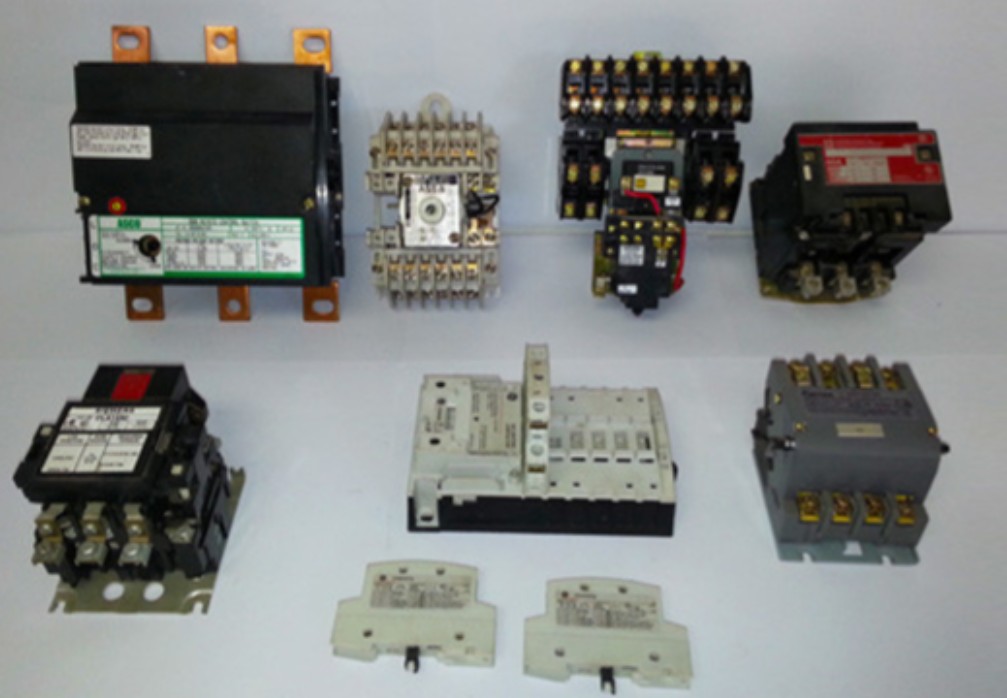
In the modern landscape of power management, industrial motor controls and commercial motor controls serve as the backbone for virtually every automated process, ensuring that Electrical Distribution & Control remains seamless across various sectors. Whether you are managing a massive manufacturing plant or a high-rise office complex, understanding how these systems regulate industrial motor controls is vital for operational longevity. These technologies are not just about turning a switch; they involve complex architectures like Variable Frequency Drives (VFDs) and Motor Control Centers (MCCs) that dictate how energy is consumed and protected. By integrating high-quality solutions from Electrical Distribution & Control, businesses can achieve higher precision and safety in their daily operations.
Electrical Distribution & Control is a premier provider of custom-designed electrical panels and automation integration, specializing in PLC programming and robust MCC panels. With over 20 years of expertise, they deliver high-performance solutions tailored to specific industrial and commercial requirements.
You can learn more about their full range of services at the Company Website.
Understanding the Core Differences
When we dive into the world of motor management, the distinction between industrial and commercial applications often comes down to the environment and the intensity of the load. Industrial systems are designed for high-stakes environments—think of heavy-duty conveyors, mixers, and large-scale pumps. These systems require “Industrial Motor Controls” that can withstand vibration, extreme temperatures, and continuous duty cycles.
Commercial systems, on the other hand, are typically found in HVAC systems, elevators, and small-scale water pumps within office buildings or retail spaces. While they share some DNA with their industrial counterparts, commercial controls are often optimized for space efficiency and integration with building management systems rather than the raw, rugged durability required on a factory floor.
The Benefits of High-Performance Industrial Motor Controls
Selecting a robust industrial system offers several long-term advantages for a facility. One of the primary benefits is the reduction of “inrush current.” When a large motor starts, it can pull a massive amount of electricity, which spikes demand charges. Industrial-grade soft starters and VFDs manage this ramp-up, protecting the motor’s internal components and the broader electrical grid.
Furthermore, centralized management through a Motor Control Center (MCC) allows for easier troubleshooting. Instead of hunting down individual starters across a 50,000-square-foot facility, technicians can access “Industrial Motor Controls” from a single, protected location. This centralization is a hallmark of the quality provided by Electrical Distribution & Control, ensuring that maintenance is both safe and efficient.
Pros and Cons of Industrial vs. Commercial Systems
On the positive side, industrial controls offer unparalleled durability and customization. They are built to last decades and can be integrated with sophisticated SCADA systems for real-time data monitoring. The main drawback is the initial investment and the physical footprint; these units are often large and require dedicated electrical rooms with proper cooling.
Commercial controls shine in their ease of installation and lower cost. They are perfect for applications where the motor doesn’t run 24/7 or isn’t subjected to harsh debris. However, they may lack the advanced protective relays found in industrial setups, making them less suitable for high-torque or high-voltage applications.
Expert Tips for Selecting Your Motor Control System
First, evaluate your environment. If your facility deals with dust, moisture, or chemical exposure, always opt for industrial-grade enclosures with high NEMA ratings. Second, consider the “Total Cost of Ownership.” A cheaper commercial starter might save money today, but a VFD from a reputable provider like Electrical Distribution & Control could save thousands in energy costs over the next five years.
Third, look at your future scalability. Industrial systems often use modular “buckets” or drawers. This means if you add a new machine to your production line, you can often just slide a new control unit into your existing MCC frame rather than rewiring the entire system.
The Verdict: Which One Do You Need?
The choice between these two systems depends entirely on your operational “heartbeat.” If your business relies on heavy machinery where downtime costs thousands of dollars per hour, industrial motor controls are an absolute necessity. The precision, protection, and diagnostic capabilities they provide are well worth the premium.
For smaller facilities or standard building operations, commercial controls provide a balanced, cost-effective solution. Regardless of your choice, ensuring your system is built by experts like Electrical Distribution & Control ensures that your “Industrial Motor Controls” will perform reliably under pressure. Investing in the right control architecture today is the best way to safeguard your equipment and your bottom line for tomorrow.


