

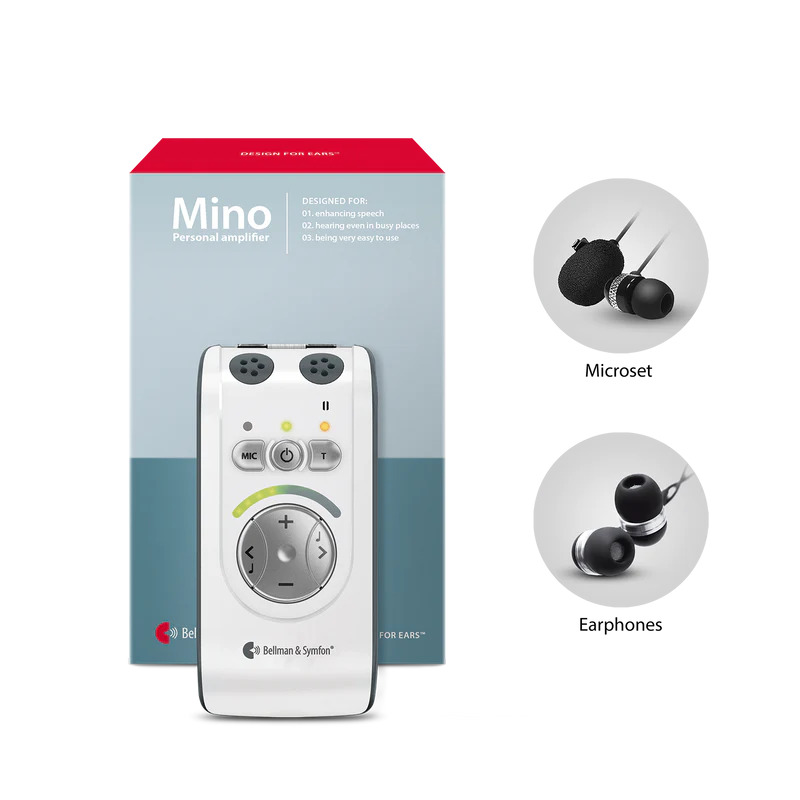
Exploring the World of Hearing Aid Amplifiers
Living with hearing loss can be challenging, impacting various aspects of life, from communication to overall well-being. Fortunately, advancements in technology have led to the development of hearing aid amplifiers, offering hope and improved quality of life for those with hearing impairments. In this guide, we delve into the realm of hearing aid amplifiers, shedding light on their functionalities, benefits, and considerations for choosing the right one.
Understanding Hearing Aid Amplifiers
Hearing aid amplifiers, often referred to simply as hearing amplifiers, are devices designed to enhance sound for individuals with hearing loss. Unlike traditional hearing aids, which are custom-fit and programmed by audiologists, hearing aid amplifiers are generally less expensive and available over-the-counter without the need for a prescription.
Benefits of Hearing Aid Amplifiers
- Affordability: Hearing aid amplifiers offer a cost-effective solution for individuals with mild to moderate hearing loss who may not have access to or afford traditional hearing aids.
- Accessibility: With no requirement for a prescription, hearing aid amplifiers are easily accessible and can be purchased online or over-the-counter at pharmacies and retail stores.
- Enhanced Communication: By amplifying sounds, these devices bolster users’ communication skills, fostering greater social interaction and dialogue.
- Improved Quality of Life: Those with improved hearing might take part in everyday activities more completely and experience a greater sense of belonging, all of which can contribute to an overall higher quality of life.
Types of Hearing Aid Amplifiers
- Behind-the-Ear : These amplifiers sit behind the ear and are connected to a small earpiece that fits inside the ear canal. BTE amplifiers are versatile and suitable for various degrees of hearing loss.
- In-the-Ear (ITE): ITE amplifiers are custom-made to fit the shape of the wearer’s ear canal, providing a discreet and comfortable option for mild to moderate hearing loss.
- In-the-Canal (ITC): Like ITE amplifiers, ITC devices are semi-permanently implanted into the ear canal, delivering amplification in a less noticeable manner.
- Personal Sound Amplification Products (PS APs): While not specifically marketed as hearing aids, PS APs function similarly by amplifying sound and can be used by individuals with mild hearing loss.
Choosing the Right Hearing Aid Amplifier
When selecting a hearing aid amplifier, several factors should be considered:
- Degree of Hearing Loss: The severity of hearing loss will determine the type and level of amplification required.
- Comfort and Fit: Ensure the device is comfortable to wear for extended periods and fits securely in the ear.
- Battery Life: Consider the battery life of the amplifier, especially if it will be worn throughout the day.
- Additional Features: Some amplifiers come with additional features such as noise reduction, directional microphones, and Bluetooth connectivity, which may enhance the user experience.
Caring for Your Hearing Aid Amplifier
Proper maintenance and care are essential to prolonging the life of your hearing aid amplifier:
- Clean Regularly: Use a soft, dry cloth to wipe down the amplifier and remove any earwax or debris.
- Store Properly: When not in use, store the amplifier in a dry, protective case to prevent damage.
- Replace Batteries: Monitor battery life and replace batteries as needed to ensure optimal performance.
- Schedule Check-ups: Periodically check the amplifier for any signs of damage or malfunction and seek professional assistance if necessary.
The Future of Hearing Aid Technology
Advancements in hearing aid technology continue to evolve, promising even greater accessibility and functionality for individuals with hearing loss. From smartphone integration to artificial intelligence-driven features, the future looks bright for improving the lives of those with auditory impairments.
In summary
A useful tool for treating hearing loss, hearing aid amplifiers provide those in need with affordability, accessibility, and an enhanced quality of life. By making informed decisions based on their understanding of the many kinds, selection criteria, and suitable maintenance techniques, users can enhance their aural experience and re-establish a link with their environment.
Embrace the transformative power of hearing aid amplifiers and rediscover the joy of clear, vibrant sound.


