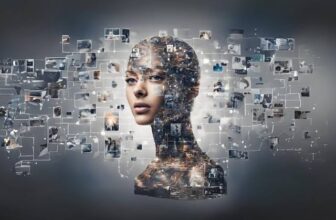
Google has once again pushed the boundaries of artificial intelligence (AI) with the introduction of Bard’s Leap Forward: Global Gemini Pro. This new model represents a monumental breakthrough in AI-driven image generation, promising to revolutionize the way we interact with digital content.

At the core of this innovation lies the Global Gemini Pro model, a sophisticated neural network trained on vast amounts of diverse image data. Unlike previous iterations, Global Gemini Pro excels in understanding and replicating intricate details, textures, and styles, resulting in remarkably realistic images that rival those captured by human photographers.
One of the most remarkable aspects of Global Gemini Pro is its ability to generate images with unparalleled diversity and creativity. By leveraging advanced techniques such as style transfer and conditional generation, the model can produce a wide range of visual outputs tailored to specific preferences and requirements.
The implications of this breakthrough are vast and multifaceted. From enhancing virtual reality experiences to revolutionizing content creation and design, the applications of AI-generated images are virtually limitless. Artists and designers can harness the power of Global Gemini Pro to explore new creative frontiers, while businesses can leverage its capabilities to streamline product development and marketing efforts.
Moreover, Google’s commitment to ethical AI development ensures that Global Gemini Pro is deployed responsibly and transparently. Through rigorous testing and continuous monitoring, Google aims to mitigate potential biases and ensure that the model upholds the highest standards of fairness and inclusivity.
As we stand on the brink of a new era in AI image generation, Google’s Bard’s Leap Forward: Global Gemini Pro represents a monumental step forward. With its unparalleled ability to create realistic, diverse, and captivating images, this groundbreaking technology is poised to reshape the digital landscape for years to come.
Artificial Intelligence and Image Generation
The field of AI has seen remarkable growth in recent years, particularly in the area of image generation. This technology, which involves creating visual content from textual descriptions, is rapidly evolving. The development of models like DALL-E by OpenAI and Imagen by Google demonstrates the immense potential of AI in creative fields. These models use advanced neural networks to understand and interpret textual input, translating it into visually compelling images.
The applications of this technology are vast. In the creative industry, it can assist artists and designers in visualizing concepts and ideas. In education, it can be used to create visual aids and learning materials. Moreover, in fields like marketing and advertising, AI-generated images can provide unique and tailored visual content.