Parkinsons’ disease is a progressive neurological condition that can significantly affect movement, independence, and quality of life. While medications remain the first line of treatment for many patients, their effectiveness may fluctuate as the disease advances. Some individuals begin experiencing severe tremors, stiffness, slowed movements, medication-related involuntary movements, or unpredictable “on” and “off” periods. For carefully selected patients, Deep Brain Stimulation, commonly known as DBS, can offer an advanced treatment option that helps manage these challenging symptoms.
Understanding Deep Brain Stimulation
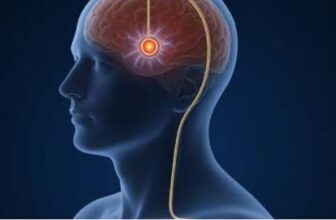
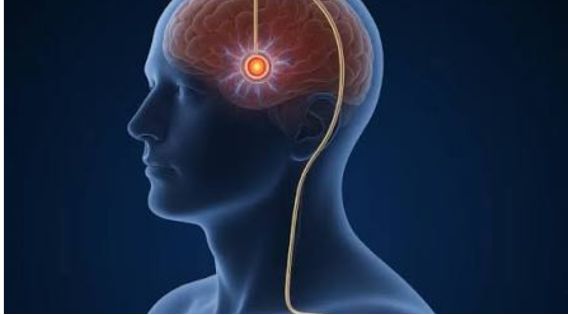
Deep Brain Stimulation is a surgical treatment that uses carefully placed electrodes to deliver controlled electrical signals to specific areas of the brain involved in movement. These signals help regulate abnormal brain activity associated with Parkinsons’ disease.
Often described as a brain pacemaker for Parkinsons’, the DBS system generally consists of thin electrodes placed within targeted areas of the brain and a small device implanted under the skin, usually near the chest. The device generates electrical impulses that can be adjusted according to the patient’s symptoms and clinical requirements.
Unlike procedures that permanently destroy brain tissue, DBS is adjustable and, in many cases, reversible from a stimulation perspective. However, it is still a major medical procedure that requires detailed evaluation and expert surgical planning.
Who May Benefit from DBS?
DBS is not suitable for every person with Parkinsons’ disease. Candidates are usually evaluated by a multidisciplinary team that may include neurologists, neurosurgeons, neuropsychologists, and other specialists.
The procedure may be considered for individuals whose symptoms respond to Parkinsons’ medication but who experience significant fluctuations, disabling tremors, or troublesome involuntary movements despite optimized medical treatment. Cognitive health, overall physical condition, disease characteristics, and realistic expectations are also important factors during assessment.
A detailed evaluation helps doctors determine whether DBS is likely to provide meaningful improvement in the patient’s daily functioning and quality of life.
The Importance of an Experienced Surgical Team
DBS surgery requires exceptional precision because the electrodes must be placed in carefully selected areas of the brain. Advanced imaging, specialized planning, and intraoperative techniques may be used to improve the accuracy of electrode placement.
Choosing the best DBS surgeon India involves looking beyond the surgeon alone. A strong DBS programme should bring together experienced movement-disorder specialists, skilled neurosurgeons, advanced technology, and comprehensive follow-up care.
The expertise of the medical team plays an essential role throughout the process, from selecting appropriate candidates to planning the procedure and programming the device after surgery.
What Happens During and After Surgery?
The exact surgical process can vary depending on the patient’s condition and the techniques used by the medical centre. In general, electrodes are positioned in the targeted brain areas, followed by implantation of the pulse generator. After recovery, the stimulation settings are programmed and gradually adjusted.
The benefits of DBS may not always be immediate. Programming often requires several follow-up sessions to find settings that provide symptom relief while minimizing side effects. Medication adjustments may also be necessary after surgery.
Reports of successful DBS surgery in India highlight the importance of proper patient selection, precise surgical techniques, and consistent post-operative management. Success should not be measured solely by the surgery itself but by the long-term improvement achieved through coordinated medical care.
Life Beyond DBS Treatment
Understanding life after DBS surgery is important for patients and families considering the procedure. DBS does not cure Parkinsons’ disease or stop its progression. Instead, it can help control specific symptoms and may improve movement-related quality of life for suitable patients.
Regular medical follow-ups remain essential. The stimulation settings may need adjustments over time, and the implanted device requires ongoing monitoring. Patients should continue working closely with their neurologist and care team.
A New Possibility for Advanced Parkinsons’ Care
For appropriately selected individuals with advanced Parkinsons’ disease, DBS can be a valuable addition to medical treatment. With expert evaluation, precise surgery, and long-term follow-up, this advanced therapy can help many patients regain greater control over difficult movement symptoms. Consulting an experienced specialist is the first step toward understanding whether DBS is the right treatment option for an individual’s unique condition.