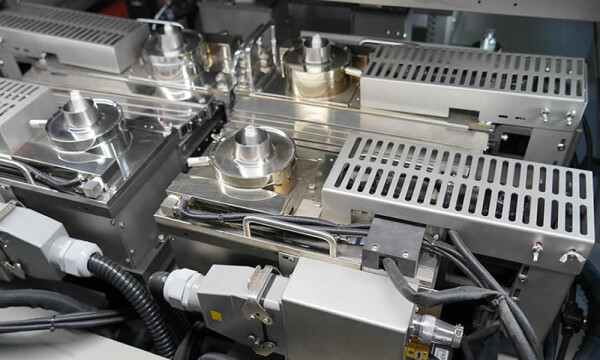
As the world leans ever more towards technological advancement, the components that form the backbone of our electronic devices continue to shrink and grow more complex. This trend places unprecedented demands on the manufacturing processes responsible for assembling these devices, particularly soldering. Precision and reliability in soldering are paramount, especially in sectors like automotive, aerospace, and industrial PCB assembly. In response, innovations such as the selective soldering machine are playing a pivotal role in transforming electronic assembly lines.
Selective soldering machines offer a sophisticated solution to modern soldering challenges. These devices ensure high-precision soldering, vital for the densely packed circuit boards used in industries where reliability is non-negotiable. A selective soldering machine can deliver this level of precision consistently, highlighting its importance on production lines that handle advanced electronics.
One of the standout features of the selective soldering machine is its automated functionality. An automated selective soldering machine minimizes human error and increases production speed, making it an invaluable asset in high-volume manufacturing environments. The integration of automation in soldering processes not only boosts efficiency but also enhances the overall quality of the solder joints.
When dealing with more specific requirements, such as soldering in restricted or uniquely patterned spaces, the selective wave soldering machine comes into play. This machine type leverages the capabilities of both wave soldering and selective soldering technologies to provide effective soldering solutions without compromising on speed or quality. The economic advantage also becomes apparent with the introduction of economical selective wave soldering machines. These machines combine cost-efficiency with high functionality, making them accessible to a wider range of manufacturers without sacrificing performance.
Further refining these capabilities, the inline selective wave soldering machine integrates seamlessly into assembly lines. This integration ensures a streamlined production process, maintaining a continuous flow and significantly reducing soldering time per unit. Such efficiency is crucial in meeting the market’s demands for faster production turnarounds.
The extensive adoption of selective soldering machines is evident worldwide. Trusted by manufacturers in over 85 countries, the .C.T selective soldering machines exemplify industry-leading design and performance. These machines are particularly favored for their precision in soldering through-hole technology (THT) components, crucial for electronic control units in automotive electronics and avionics boards in aerospace applications. Moreover, their adaptability makes them well-suited for areas like consumer electronics, where production demands can vary dramatically.
This broad application spectrum underscores the selective soldering machine’s role as a cornerstone technology in contemporary electronic manufacturing. From automotive to aerospace and beyond, the ability to deliver durable and precise solder joints is crucial. In recognition of these critical applications, selective soldering machines adhere to stringent standards, with many certified by CE and ISO, ensuring they meet international quality and safety guidelines.
For those interested in understanding more about the technical specifics and historical development of selective soldering, further reading can be found on the comprehensive page dedicated to the topic on Wikipedia [https://en.wikipedia.org/wiki/Selective_soldering].
The evolution of soldering technologies continues to play a critical role in the advancement of electronic manufacturing. Innovations like the selective soldering machine have set new standards in the industry, offering unprecedented precision, efficiency, and reliability. As electronic devices become increasingly complex, the precision provided by these advanced machines will continue to be indispensable. They are not just tools but vital partners in the quest to meet the technological needs of tomorrow.