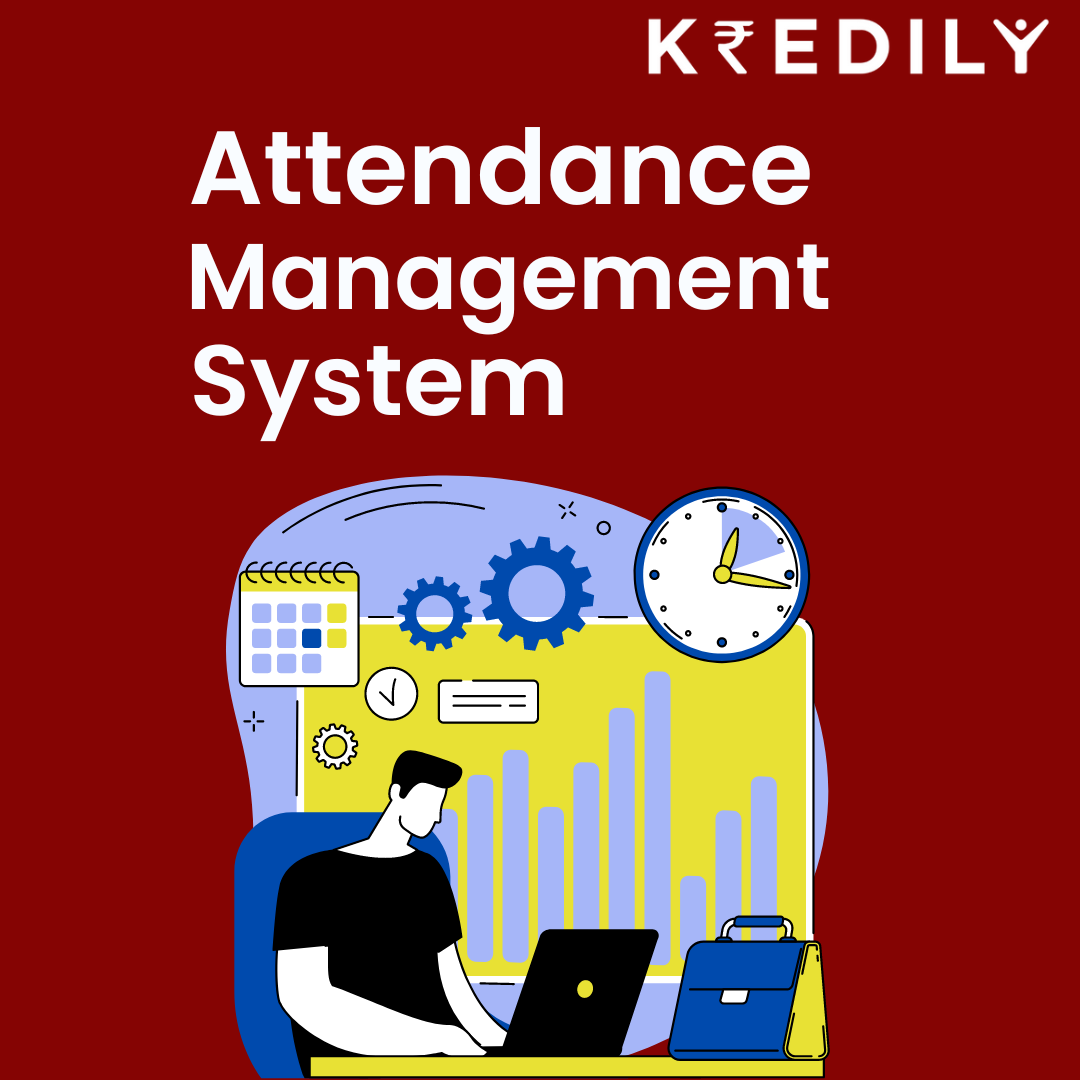
In the ever-evolving landscape of modern businesses, workforce efficiency is a top priority. The ability to manage attendance effectively is not only crucial for payroll processing but also for optimizing productivity and ensuring regulatory compliance. Traditional methods of attendance tracking have often been cumbersome, error-prone, and resource-intensive. However, the advent of Attendance Management Systems (AMS) is transforming how businesses approach this essential task.
The Evolution of Attendance Management:
Traditionally, attendance management involved manual processes that included paper registers or spreadsheets. These methods were not only time-consuming but also prone to errors, resulting in payroll discrepancies and reduced productivity. Managing diverse attendance policies and leaves in a large workforce was often a logistical nightmare.
The Role of Attendance Management Systems:
Attendance Management Systems offer a holistic and digital solution to these challenges. These systems provide a centralized platform where employees can record their attendance, and HR professionals can efficiently manage and monitor it. The core features of an AMS include:
- Automated Attendance Tracking: AMS automates the tracking of clock-in and clock-out times, reducing the risk of errors and ensuring precise attendance records.
- Leave Management: Employees can request leave through the system, and managers can approve or deny requests based on company policies. This ensures that leaves are in compliance with labor regulations.
- Accurate Reporting: AMS generates reports that offer insights into attendance trends, leave utilization, and employee punctuality. This data aids in decision-making, workforce planning, and payroll processing.
- Integration with Biometric Devices: For enhanced accuracy, many AMS can integrate with biometric devices, such as fingerprint or facial recognition scanners, ensuring foolproof attendance tracking.
Benefits of Attendance Management Systems:
- Enhanced Efficiency: Automating attendance tracking minimizes manual data entry, reducing the administrative workload on HR professionals. This results in time and cost savings.
- Accuracy: Automation reduces the risk of errors in attendance and leave calculations, ensuring employees are paid correctly and on time.
- Compliance: Attendance Management Systems help organizations adhere to labor laws and internal policies, minimizing legal risks and potential penalties.
- Improved Productivity: Accurate attendance records and absence management enable better resource allocation, which, in turn, enhances overall workforce productivity.
- Employee Satisfaction: AMS often includes self-service features, allowing employees to access their attendance data, request leave, and view their leave balances. This transparency fosters trust and employee satisfaction.
The Future of Attendance Management:
As businesses continue to embrace digital transformation, the role of Attendance Management Systems is poised to become even more critical. With further advancements in technology, integration with other HR systems, and a growing emphasis on data analytics, AMS will continue to drive efficiency and productivity in the workplace.
In conclusion, Attendance Management Systems are the future of effective and efficient attendance tracking. By investing in an AMS, businesses can unlock a range of benefits, from time and cost savings to compliance and enhanced employee satisfaction. In a world where workforce efficiency is paramount, AMS is a valuable tool that can help organizations stay ahead of the curve.