

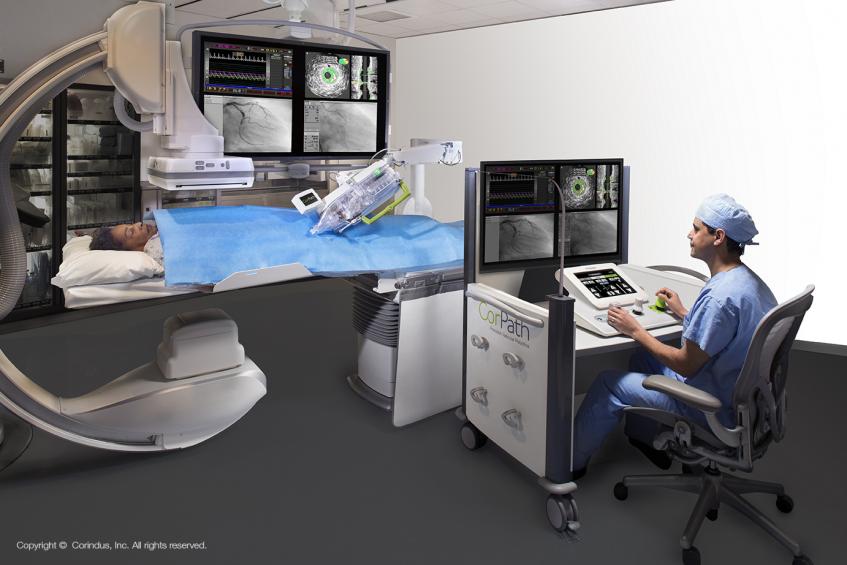
The global robotic catheter systems market was valued at $493.5 million in 2018, which is projected to reach $656.8 million by 2024, progressing at a CAGR of 5.2% during the forecast period (2019–2024).
Based on type, the multi-specialty category held the largest share in the market in 2018. The category is also expected to witness the fastest growth during the forecast period, owing to the fact that multi-specialty systems can perform multiple procedures, which is a major reason for their popularity, as compared to single-specialty systems.
The multi-speciality systems category is expected to witness faster growth in the robotic catheter systems market. This can be ascribed to the increasing number of cardiac-related disorders that require diagnosis and treatment. These systems can perform different procedures with the same configuration.
Electromechanical systems are expected to grow at the fastest growth rate. Cost-effectiveness of these systems as compared to magnetic systems is leading the demand for electromechanical systems in the market.
Request to Get the Sample Pages at: https://www.psmarketresearch.com/market-analysis/robotic-catheter-systems-market/report-sample
The interventional electrophysiology application held larger share in 2018 in the robotic catheter systems market, owing to the increasing number of arrhythmia cases across the globe. Also, initial systems such Sensei system by Hansen Medical Inc. that were developed were mostly designed for electrophysiology procedures, which is also a key factor for the growth of the market in this category.
On the basis of component, the market is bifurcated into systems and accessories. Owing to the fact that the system comprises a number of high cost instruments, as compared to the accessories category, which mainly includes catheter and guidewires, the system category is likely to lead the global market, throughout the period of analysis
Japan is the largest market for robotic catheter systems in the APAC region. This is mainly due to the presence of major distributors of robotic catheter systems, who have entered into agreements with key manufacturers, in the country. Also, robotic-assisted catheter-based diagnostic and treatment procedures are gaining popularity in cardiac catheterization, endovascular surgery, electrophysiology, and percutaneous coronary intervention (PCI) procedures, due to their potential advantages over the conventional catheter procedures.
Stereotaxis Inc., Corindus Vascular Robotics Inc., Catheter Precision Inc., and Hansen Medical Inc. are some of the major manufacturers operating in the global robotic catheter systems industry.
The manufacturers in the robotic catheter systems market are involved in product launches and collaboration to increase their market shares. For instance, in May 2019, Stereotaxis Inc. entered into a strategic collaboration with Osypka AG to design and develop a next-generation magnetic ablation catheter, which is being navigated by using Stereotaxis’ robotic technology. Stereotaxis Inc. is funding the development and will be the sole owner of the catheter. In April 2017, Corindus Vascular Robotics Inc. announced a strategic partnership with BLOXR Solutions. This three-year distribution agreement grants Corindus the non-exclusive rights to distribute BLOXR’s radiation protection products, globally, and provide BLOXR with additional reach into the interventional cardiology space.


