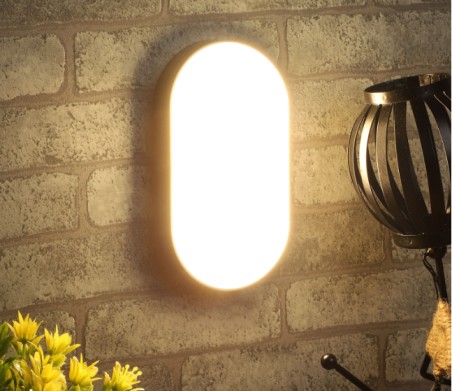
Wall lights are a stylish and adaptable lighting option for any room, but they are especially desirable when floor space is at a premium. In addition to being excellent for providing practical task lighting, they can also be striking design statements in and of themselves.
Whether one is installing led wall lights or decorative wall lights, here, we will discuss factors to consider when installing residential wall lights.
Where in a home do wall lights work best?
Depending on how the room is utilized, wall lights can be utilized for a variety of purposes. In low-ceilinged rooms where there may not be enough height for a pendant, recessed lighting is a great option for creating a clean, uncluttered appearance.
Consider using wall lights as part of a layered lighting scheme for this reason – consider shadow-free task lighting for reading, cooking, and working, accent lighting to highlight areas of interest, and ambient lighting to create a cozy atmosphere.
How should wall lights be utilized within a bedroom?
Wall lights in the bedroom provide a softer, gentler alternative to the main ceiling light, and they can also be a lovely design element. A general wall light will provide a warm ambient glow, while an extendable or swing arm wall light is an excellent substitute for a bedside lamp.
If you’re using wall lights above the bed instead of a bedside lamp, it’s best to position them at shoulder height so that you can easily turn them on and off from bed. Unless you want a bright light for reading, shade light bulbs with material as opposed to glass.
What about the bathroom?
A pair of wall sconces placed on either side of a mirror will provide shadow-free task lighting for activities such as shaving and makeup application. Consider not only the lighting effect as a whole, but also the appearance of the fixtures themselves.
To soften and add warmth to a bathroom’s often austere appearance, it is worthwhile to invest in quality materials such as copper or bronze. If your faucets are chrome, you do not need chrome or aluminium light fixtures.
In addition, you must ensure that the IP rating of your bathroom wall lights is appropriate for their location in the room.
How should one select wall lights for a kitchen?
Wall lights provide excellent task lighting in the kitchen, illuminating the areas where food is prepared, cooked, or washed. Choose wall lights that can be angled to direct light precisely where you need it; shadows on your workspace are undesirable.
If your kitchen’s general task lighting is covered by LED wall lights and recess lighting, then designer ceiling and fancy wall lights are the ideal way to express your personal style. Be sure to choose finishes that are simple to clean when selecting wall lights for kitchen areas.
And in a corridor?
Multiple decorative wall lights spaced evenly along a hallway can create a natural, inviting atmosphere and diffuse the light effectively for general ambient lighting. If you don’t need bright lighting in your hallway, using colored glass can create a softer look.
Your choice will be determined by the dimensions of your hallway; if you have ample space, choose larger wall lights. Indoors, you can use path lights to illuminate stairs or a dim walkway, particularly if there is little natural light, and if you have particularly low ceilings, uplighters are a good option for making the ceiling appear higher.
Inspired? Here Are Some Final Dos and Don’ts Regarding Wall Lights…
DO Install dimmers wherever possible; they are a fantastic tool to have in every room because they give you options for every occasion in a multipurpose space.
DO Install wall lights that are intended to create an ambient, decorative atmosphere on a separate circuit so that you can control the ambiance.
DO NOT Install wall lights where the bulb can be seen from a seated position.
DO NOT Allow your wall lights to extend too far into a corridor, where they can be damaged or knocked over.
FINAL NOTE:
To enhance the overall appearance of a space, remember lighting is an essential element in any home. Not only do wall lights create an enticing ambiance and a welcoming environment they are also a practical addition for a pleasant ambiance, as they are frequently used to illuminate the home’s darkest corners.