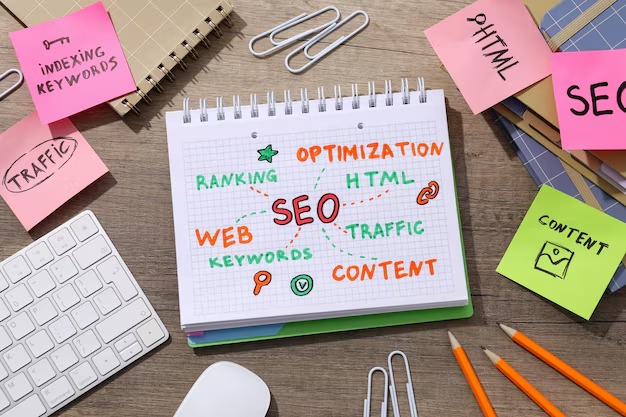
Search behavior is changing. People no longer stop after entering one keyword and reading one result. They ask a question, review an answer, refine their intent, compare options, and continue with more specific queries. If your content only answers the first question, you may miss valuable opportunities later in the search journey. To stay visible, you need content that anticipates what your audience is likely to ask next and provides useful context at every stage.
Understand the Follow-Up Query Journey
A follow-up query is the next question someone asks after receiving an initial answer. For example, a user may search “how to improve website rankings,” then ask “which SEO techniques work best for small businesses?” and eventually search “how long does SEO take to produce results?”
These queries reveal evolving intent.
You can optimize for this journey by mapping your primary topic to related questions, objections, comparisons, examples, and next steps. Instead of treating every keyword as an isolated opportunity, build a connected content experience that helps users move naturally from one question to another.
Build Content Around Search Intent
Start by identifying the intent behind your primary topic. Ask yourself what the user wants to accomplish, what information they need next, and what decision they may eventually make.
For example, informational content can naturally lead to:
- How-to questions
- Cost-related questions
- Comparison queries
- Best-practice searches
- Problem-solving questions
- Tool-related searches
- Local or industry-specific questions
When you understand these patterns, you can create sections that answer immediate questions while preparing readers for deeper follow-up searches.
Create Topic Clusters That Support Continuity
Your content should not exist as disconnected pages. Develop topic clusters where a core page addresses the main subject and supporting pages explore narrower questions.
Suppose your primary topic is SEO strategy. Supporting content could cover technical SEO, keyword research, content optimization, internal linking, entity relevance, local SEO, and AI search visibility.
Use descriptive internal links such as SEO strategy for improving organic search visibility rather than generic phrases like “click here.” These links help users discover the next relevant resource while giving search systems stronger contextual signals about the relationship between your pages.
Answer the Next Question Before It Is Asked
One of the most effective approaches is to predict the reader’s next concern.
After answering a question, consider:
“What would I ask if I were the reader?”
If you explain why structured content matters, the next question might be how to implement it. If you discuss keyword targeting, readers may want to know how to measure results. If you explain AI search optimization, they may ask how traditional SEO and generative search strategies work together.
Add concise sections addressing these logical next steps. This creates a more complete resource and reduces the need for users to return to search engines for basic follow-up information.
Use Question-Based Content Structures
Question-based headings make your content easier to navigate and align naturally with conversational search.
Instead of relying only on headings such as “Benefits” or “Strategies,” use specific questions:
- What should you optimize first?
- How do you identify related search intent?
- Which content signals support topical relevance?
- How can you measure follow-up query visibility?
- What should you update when user intent changes?
Provide direct answers first, then add supporting details. This structure can make important information easier for both readers and AI-powered search systems to interpret.
Strengthen Semantic Relationships
Follow-up queries often introduce related entities, concepts, attributes, and actions. Your content should reflect those relationships naturally.
If you are discussing SEO content optimization, relevant concepts may include search intent, entities, topical authority, internal links, structured data, user experience, content freshness, and conversion intent.
Do not force related terms into every paragraph. Instead, explain how concepts connect. Semantic depth comes from meaningful relationships, not keyword repetition.
Optimize for Conversational Search
Users increasingly phrase searches as complete questions. Your content should therefore support natural-language queries rather than focusing exclusively on short keyword variations.
Write clear answers that can stand independently. Define unfamiliar terms, provide practical examples, and address common follow-up questions. Make important facts easy to identify without sacrificing depth.
You should also consider question chains. A strong article can move from what to why, then how, followed by when, which, and what next. This progression mirrors how real users investigate topics.
Measure Follow-Up Query Opportunities
Optimization does not end when you publish. Review search performance regularly and identify queries that reveal new user questions.
Look for:
- Queries where your page receives impressions but few clicks
- Related questions appearing in search results
- New long-tail queries bringing visitors
- Pages with strong traffic but weak conversions
- Topics users revisit before converting
Use these insights to expand sections, create supporting articles, improve internal links, and update outdated information.
For a broader approach to improving search visibility, explore SEO Climbers for SEO content optimization and search visibility. A focused strategy can help you connect keyword opportunities with meaningful content relationships instead of treating every search as a separate target.
Make Every Section Lead Somewhere
A strong article should give readers a logical next step. That might be another article, a practical checklist, a comparison, a service page, or a contact opportunity.
Avoid adding links simply to increase internal-link counts. Every link should answer the question: “What useful information would this reader reasonably need next?”
When your content consistently anticipates that need, you create a smoother search journey and stronger topical connections.
If you need help developing a content strategy designed around evolving search intent, you can contact us today for long-tail SEO and AI search optimization guidance.
FAQ: Follow-Up Query Optimization
What is a follow-up query in SEO?
A follow-up query is a subsequent search a user makes after an initial search. It usually becomes more specific as the user gains information and refines their intent.
Why should you optimize content for follow-up queries?
Optimizing for follow-up queries helps you address the broader search journey instead of answering only one isolated question. It can improve topical coverage, user satisfaction, internal linking opportunities, and visibility for long-tail searches.
How do you find follow-up query opportunities?
Analyze related searches, question-based queries, search performance data, competitor content, customer questions, and discussions surrounding your primary topic. Group these questions according to intent and create content that addresses them logically.
Should every article answer multiple questions?
Not necessarily. Your article should remain focused on its primary purpose. However, it should address the most relevant follow-up questions that naturally support the reader’s goal.
How does semantic SEO help with follow-up queries?
Semantic SEO helps you connect related concepts, entities, attributes, and user intents. These relationships give your content greater contextual depth and make it more useful for complex and conversational searches.
Can follow-up query optimization help with AI search?
Yes. Comprehensive, clearly structured content can provide useful context for systems that generate answers from multiple pieces of information. Clear definitions, direct answers, logical topic relationships, and trustworthy supporting information can make your content easier to understand and retrieve.
Final Thoughts
Follow-up queries reveal how people actually search: progressively. Instead of optimizing one page for one keyword, build content that supports the questions users are likely to ask next. Map intent, create connected topic clusters, use descriptive internal links, answer related questions, strengthen semantic relationships, and continuously analyze new search behavior.
When you make every section useful beyond the immediate query, you create content that serves both the user’s current need and the next step in their search journey.