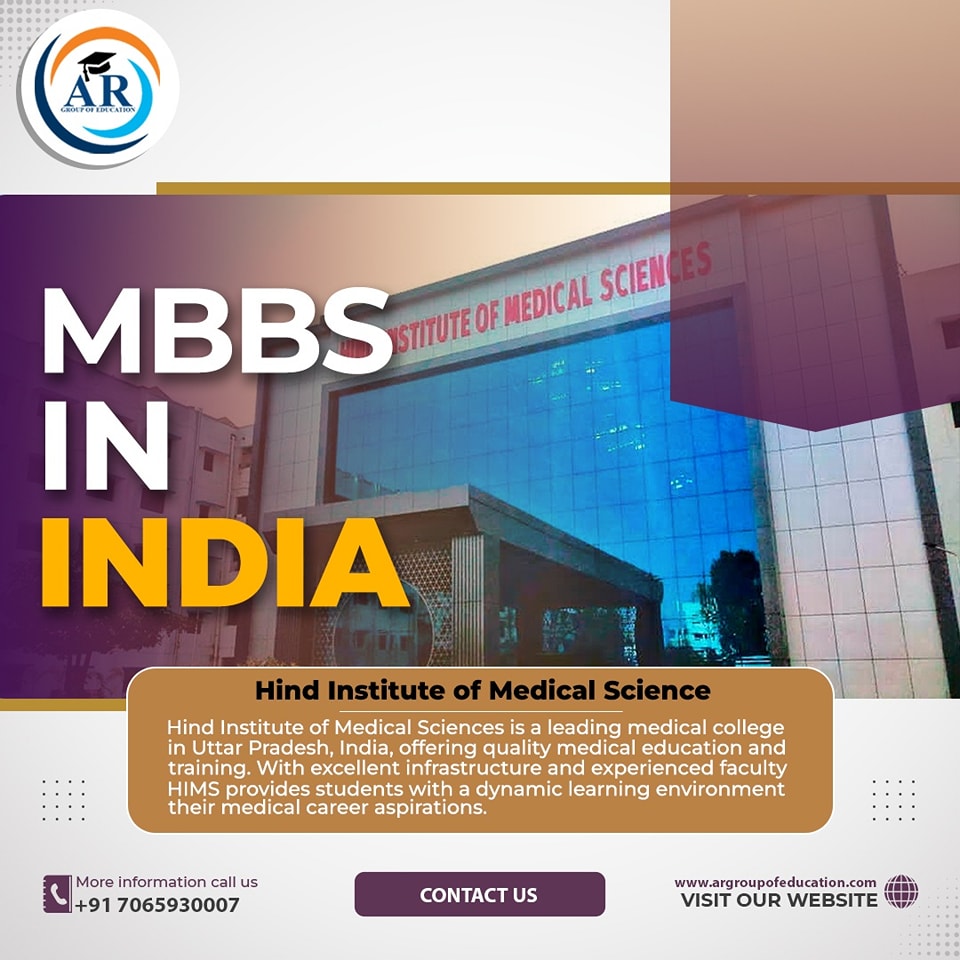
In India, pursuing a Lone ranger of Medicine and Bachelor of Surgery (MBBS) could be a thorough and exceedingly competitive endeavour. The length of the program is regularly five and a half a long time, counting a year of compulsory internship. Admission to MBBS in India programs is essentially through national and state-level entrance exams, such as NEET (National Eligibility cum Entrance Test).
Medical education in India is governed by the Therapeutic Board of India (MCI) or the National Medical Commission (NMC) from 2020. The curriculum envelopes both theoretical information and practical clinical introduction, covering subjects like life systems, physiology, natural chemistry, pharmacology, pathology, and different medical specialties.
Medical colleges in India are spread over the nation, with both government and private teachers offering MBBS courses. Government colleges regularly have lower tuition expenses, whereas private colleges may have higher expenses. Quality of instruction shifts, with a few educated being famous for their scholastic fabulousness and research offices.
Upon completion of the MBBS program, graduates undergo a required internship, picking up hands-on involvement in several medical specialties. In this way, they can enrol with the individual state medical chambers and seek after advance specialisation through postgraduate studies or enter into clinical practice. The request for qualified medical experts remains high, making MBBS a sought-after and regarded career way in India.
Medical instruction in India may be an energetic and challenging travel, drawing in aspiring students from different corners of the nation. The Single man of Medicine and Bachelor of Surgery (MBBS) program could be a pined for pathway for those who dream of wearing the white coat and serving humankind through the respectable calling of medication. This article dives into the complexities of pursuing MBBS in India, investigating the affirmation preparation, educational modules, challenges, and the fulfilling journey towards getting to be a specialist.
Admission Process:
The affirmation handle for MBBS in India is known for its competitive nature, reflecting the tall request for medical education within the nation. The essential entrance examinations for admission to MBBS programs incorporate the National Eligibility cum Entrance Test (NEET) and AIIMS MBBS entrance exam. NEET may be a common entrance test for admission to undergraduate medical courses in different government and private medical colleges over India, whereas AIIMS conducts its own separate entrance examination for confirmation to its prestigious establishment.
NEET, presented in 2013, has become the central door for trying medical students. The exam evaluates students’ capability in subjects like Material science, Chemistry, and Science. Scoring well in NEET is vital for securing affirmation to presumed medical colleges.
Government and Private Medical Colleges:
India boasts plenty of both government and private medical colleges advertising the MBBS program. Government medical colleges, supported by the state or central government, regularly have lower educational cost expenses compared to private education. These colleges are famous for their framework, experienced workforce, and emphasis on down to earth introduction.
Private medical colleges, on the other hand, are known for their present day offices and, in a few cases, a more adaptable affirmation preparation. Be that as it may, the educational cost expenses in private colleges are ordinarily higher, and grants are constrained. Students frequently weigh the aces and cons, some time recently choosing between government and private medical colleges based on their inclinations, money related contemplations, and the availability of seats.
Curriculum and Duration:
The MBBS curriculum in India is outlined to supply comprehensive information and viable abilities vital for medical hone. The program regularly ranges five and a half a long time, counting a one-year compulsory internship. The scholarly curriculum is divided into three stages: the preclinical stage, the para-clinical stage, and the clinical stage.
During the preclinical phase, students centre on subjects like Life systems, Physiology, and Organic chemistry. The para-clinical stage presents points such as Pathology, Microbiology, Pharmacology, and Legal Medicine. The clinical stage, which starts within the third year, includes hands-on preparing in clinics and clinics. Students pivot through different divisions, picking up viable involvement in Medication, Surgery, Pediatrics, Obstetrics and Gynecology, and other specialties.
Internship:
The one-year obligatory internship is an integral portion of the MBBS program, permitting students to apply hypothetical information to real-world scenarios. Amid this period, assistants work totally different divisions, picking up presentations to different medical homes. The internship may be a profitable learning encounter that plans students for the challenges of autonomous therapeutic homes.
Challenges in Pursuing MBBS:
While the journey towards an MBBS degree is fulfilling, it comes with its share of challenges. The competitive nature of entrance exams frequently puts colossal weight on students. Constrained seats in government medical colleges and the tall took a toll of private teach posture money related challenges for numerous trying specialists.
Also, the thorough and requesting educational modules requires commitment and diligence. Adjusting theoretical thoughts with commonsense preparing amid clinical postings and internships can be physically and rationally burdening. In any case, these challenges too contribute to the general development and resilience of therapeutic students, planning them for the duties ahead.
Past Scholastics:
Seeking after MBBS in India isn’t around scholastic meticulousness; it moreover includes individual and proficient development. Therapeutic understudies learn the craftsmanship of successful communication, compassion, and collaboration. The introduction to different persistent populaces and restorative cases broadens their points of view and upgrades their capacity to supply all encompassing quiet care.
Therapeutic colleges frequently organise conferences, seminars, and workshops, giving understudies with openings to lock in with eminent experts within the field. These occasions cultivate organising and empower understudies to remain upgraded on the most recent headways in medication.
Future Prospects:
Upon fruitful completion of the MBBS program, graduates are qualified to enlist with the Medical Chamber of India (MCI) or the individual state medical boards. After registration, they can select to seek after postgraduate ponders in different specialties or enter clinical hone. India offers a wide range of career choices for medical graduates, counting openings in healing centres, investigating education, open wellbeing organisations, and private practice.
Conclusion:
Setting out on the travel of MBBS in India could be a challenging yet fulfilling encounter. The competitive admission process, thorough educational programs, and viable preparing get ready students for a satisfying career in medication. The opportunity to create a positive effect on individuals’ lives and contribute to the healthcare framework persuades aspiring doctors to overcome the challenges they experience along the way. As the country proceeds to put a tall value on healthcare, the interest of MBBS in India remains a respectable and regarded endeavour.