Cost-Effective Product Customization through Die Cutting
The art of personalization has evolved tremendously over the years, finding its feet firmly planted in the capabilities of modern technology. Among these technological advancements, die cutting stands out as a highly efficient method for producing custom-designed parts and components. This process not only ensures precision but also significantly reduces costs and material waste, making it a favorite in various industries. From electronics to automotive, die cutting has carved a niche for itself, especially in the realm of effective product customization.
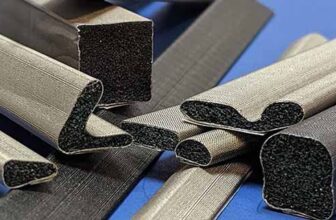
Die cutting technology has proven instrumental in shaping materials such as Conductive Foam, EI Shielding Foam, acrylic foam tape, Thermal Conductive Silicone, Mylar sheet, Thermal Gap Pads, EMI Gaskets, anti static conductive foam, conductive black foam, and ESD conductive foam into precise configurations. These materials, critical in the manufacturing and electronics sectors, benefit immensely from the precision that die cutting offers. This not only enhances the functionality of the products but also contributes to their aesthetic and ergonomic appeal.
Taking the example of Skyfie Technology, a leader in the integration of semi-solid-state battery technology, die cutting provides an excellent avenue to address complex design and manufacturing challenges efficiently. Utilizing this method allows the company to produce cutting-edge power banks that are safe, long-lasting, and compact. This is made possible as the die cutting process allows for the meticulous structuring of Conductive Foam and related materials, which are essential in battery technology and other components.
Die cutting caters to a broad spectrum of materials with high accuracy. For instance, the manipulation of Mylar sheets through die cutting is crucial in creating insulative layers essential in electrical and thermal applications. Similarly, EMI Gaskets, which are vital for electromagnetic interference shielding, are crafted to meet specific standards using die cutting. This method ensures that each gasket fits perfectly, providing maximum protection against interference.
The flexibility of die cutting also extends to acrylic foam tape, a popular choice for mounting and bonding applications in industries ranging from automotive to consumer electronics. The precision cuts ensure that each piece of tape is perfectly sized, enhancing the product’s overall durability and performance. Additionally, Thermal Gap Pads, which are used to manage heat in electronic applications, are another area where die cutting is paramount. It allows for the material to be tailored to fill spaces between heat-generating components and their heat sinks effectively.
Moreover, the use of die cutting in processing various forms of conductive and ESD foams showcases its versatility. Anti static conductive foam, conductive black foam, and ESD conductive foam need to be shaped accurately to fit into electronic setups to avoid static damage to sensitive components. The die cutting process ensures that these materials meet precise measurements and specifications, boosting the reliability of the electronic devices in which they are used.
Die cutting is not only about the precision and versatility it offers but also about cost efficiency. Since the process is capable of high repeatability and produces minimal waste, it is a particularly attractive option for businesses looking to optimize production costs and reduce material wastage.
For those eager to delve deeper into the composition and properties of one of the common materials used in die cutting, namely polyurethane foam, more comprehensive information can be found on this detailed resource: https://en.wikipedia.org/wiki/Polyurethane_foam
Exploring the realms of die cutting reveals a fascinating intersection of technology, economics, and artistry in manufacturing. This method remains a cornerstone in material processing, offering unmatched precision, versatility, and cost-efficiency. As the demand for personalized and high-performing products continues to grow, die cutting will undoubtedly play an indispensable role in shaping the future of manufacturing.