

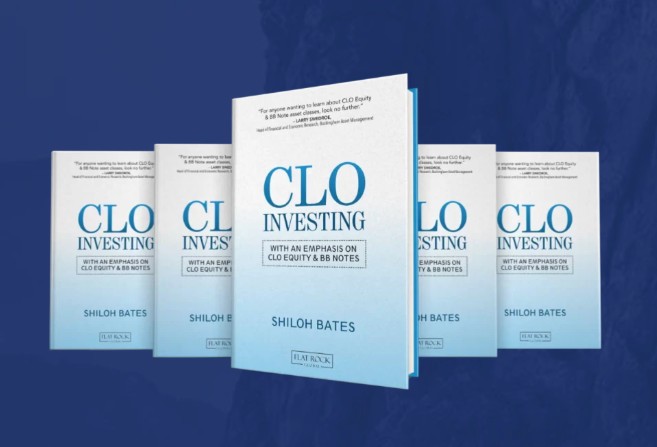
CLO equity investors, CLO securities, and collateralized loan obligations might sound complex. But here’s the truth: they’re investment tools that regular investors can understand. Many people think only big banks deal with these investments. That’s not accurate anymore. More investors are waking up to the income opportunities they offer.
A CLO equity investor is someone who buys the riskiest part of a structured credit package. When you understand how this works, you see why thousands of investors have added CLO securities to their portfolios. The credit market has grown beyond $1 trillion. Flat Rock Global, an employee-owned credit manager founded in 2016, helps investors navigate these waters. With $1.6 billion in assets under management, Flat Rock Global specializes in credit investments that many traditional advisors overlook.
This guide breaks down what CLO equity investors need to know. We’ll explain the structure, the real risks, and why this matters for your money.
How CLO Securities Actually Work
Before you become a CLO equity investor, you need to understand the basic structure. Think of it like a sandwich with different layers.
A CLO starts with a pool of business loans. A manager collects hundreds of these loans into one package. That’s the foundation. Then, financial experts slice that package into different investment levels. Each level has different safety and return characteristics.
The safest level sits at the top. These investors get paid first if problems happen. They accept lower returns for that safety. The middle layers come next. The bottom layer is where CLO equity investors live. This position gets paid last. It’s riskier. But when things go well, CLO equity investors earn significantly higher returns.
Here’s why this structure exists: banks and loan managers need money to keep buying loans. They can’t just use their own capital forever. So they create CLO securities to attract different types of investors. Some want safety. Others want income. CLO equity investors want growth and income despite the higher risk.
Why CLO Securities Matter for Income Investors
Income is disappearing from traditional bonds. Savings accounts don’t pay much. Stock dividends have become unpredictable. This is why CLO equity investors have entered the market in large numbers.
CLO securities in the equity layer can generate 10% to 15% annual returns. That’s not guaranteed. Bad economic times can hurt performance. But in normal conditions, these returns beat what most investors find elsewhere. Flat Rock Global’s Opportunity Fund, for example, focuses on CLO equity with a distribution rate of 14.81% as of September 2025.
The key difference between CLO equity investors and regular stock investors: CLO securities are backed by real business loans. These aren’t growth bets. They’re income products. The companies taking out those loans need the money for operations. They have to pay back what they borrowed. When they do, money flows to CLO equity investors.
What Makes Someone a CLO Equity Investor?
Not every investor becomes a CLO equity investor. This investment requires patience and understanding. You need to accept that your money gets locked up for specific periods. You can’t sell your shares tomorrow if you want quick cash. Most CLO securities in the equity tier have quarterly redemption windows.
A CLO equity investor also accepts more volatility. When companies struggle, CLO equity investors see losses first. That happened during 2020 when COVID hit hard. Some CLO equity positions dropped 30% to 40%. They recovered since then. But recovery isn’t automatic. It depends on how well the underlying loans perform.
CLO equity investors also need to understand fee structures. You pay management fees. These typically range from 1% to 3% of assets. These fees reduce your actual returns. If a fund advertises 15% returns and charges 2% in fees, your net gain is lower. This matters more than many CLO equity investors realize.
CLO Securities: The Different Types Explained
CLO equity investors can invest in different versions of CLO securities. Each has different characteristics. Understanding the options helps you make better choices.
Senior secured CLO securities sit at the top of the safety ladder. These get paid before everyone else. Investors accept 3% to 5% returns for this protection. These aren’t typically what CLO equity investors buy. These appeal to conservative investors.
Mezzanine CLO securities occupy the middle. These pay 6% to 9% returns. They’re safer than equity but riskier than senior notes. Some CLO equity investors diversify by mixing equity and mezzanine positions.
BB note CLO securities come next. These have been popular recently. They pay 8% to 11% typically. They bridge the gap between mezzanine and equity. Flat Rock Global’s Enhanced Income Fund focuses on middle market CLO BB notes and has generated a 9.05% distribution rate.
CLO equity sits at the bottom. These generate the highest returns when things go well. When things go poorly, these positions lose value first. This is where true CLO equity investors operate.
Pros and Cons for CLO Equity Investors
Being a CLO equity investor has real advantages. But it also comes with real disadvantages. You should understand both sides before committing money.
Advantages for CLO Equity Investors:
Strong income generation stands out as the main benefit. CLO equity investors regularly receive quarterly distributions. These provide steady cash flow. This matters if you need income to live on.
Diversification works in your favor too. CLO securities in the equity tier hold hundreds of business loans. No single company failure destroys your investment. This spread of risk helps protect your money.
The credit market keeps growing. More businesses need loans. More managers create CLO securities. As supply increases, CLO equity investors have more options. Flat Rock Global’s focus on hyper-selective investment approaches means they choose only quality opportunities for CLO equity investors.
Less correlation with stock markets provides another advantage. When stocks drop, CLO securities don’t necessarily follow. This helps balance a portfolio that might be too stock-heavy.
Disadvantages for CLO Equity Investors:
Illiquidity is the biggest drawback. You can’t sell CLO equity shares whenever you want. You might have to wait three months or longer. If you need cash in a hurry, you’re stuck waiting.
Complexity creates another problem. CLO securities and the structures behind them aren’t simple. CLO equity investors need to do research. You can’t just glance at a one-page report and understand what you own.
Interest rate risk matters too. When interest rates rise, CLO securities become less attractive. The value of existing CLO equity positions can drop. If you bought at a high price and rates jumped up, you might sell at a loss when you need to exit.
Default risk is real. When underlying loans fail, CLO equity investors lose money. This doesn’t happen every year. But it happens. Economic downturns hit CLO equity investors hardest.
Fee drag reduces your actual returns. Managing CLO securities costs money. These fees come from your profits. Over 10 years, compound fees significantly impact total returns.
Market Conditions and CLO Equity Investor Returns
CLO equity investors don’t earn the same returns every year. Market conditions matter enormously. Understanding the cycles helps you manage expectations.
In good economic times, loan defaults stay low. Businesses pay back what they borrowed. CLO equity investors earn their expected returns. Sometimes they earn more. This happened from 2017 to 2019. CLO equity investors saw strong, consistent gains.
During economic stress, defaults rise. Companies struggle. They miss loan payments. Money that should flow to CLO equity investors disappears. Returns drop. Sometimes CLO equity positions post negative returns. This happened in 2020. But recovery also came relatively quickly as the economy rebounded.
As of 2025, CLO equity investors should monitor credit conditions carefully. Economic growth remains uneven. Some sectors face pressure. CLO equity investors focused on quality borrowers do better than those who chase yield blindly. This is where manager skill becomes important. Flat Rock Global’s approach to CLO investing emphasizes quality first-lien senior secured loans.
How to Start as a CLO Equity Investor
If you’re considering becoming a CLO equity investor, don’t rush into it. Take time to learn. Understand what you’re buying. Make sure it fits your needs.
First, assess your goals. Do you need current income? Or can you reinvest distributions for growth? CLO equity investors with different goals choose different strategies. Someone needing $500 monthly income requires a different approach than someone seeking long-term growth.
Second, evaluate your time horizon. Don’t invest in CLO securities if you might need the money within three years. The structure doesn’t work for short-term investors. Give your investment five to ten years to work properly.
Third, understand the fee structure of any CLO equity fund you consider. Request a prospectus. Read it. Many CLO equity investors skip this step and regret it later. Fees matter more than many people think.
Fourth, consider working with an advisor who specializes in CLO equity investing. Not every financial advisor understands CLO securities well. You want someone who does. Flat Rock Global serves registered investment advisors and family offices. Their expertise in CLO equity investors and alternatives helps advisors guide their clients properly.
Real Examples: What CLO Equity Investors Actually Experience
Numbers on a page don’t tell the full story. Real CLO equity investors experience ups and downs.
One investor started with $100,000 in CLO securities at the equity level in 2019. The investment promised 12% annual returns. She received those distributions regularly. Two years later, her account had grown through reinvested distributions. Then 2020 happened. Her position dropped 25%. She didn’t panic. She held for three more years. By 2024, her position was worth more than it started. The 12% average return plus capital recovery gave her nearly double her original investment.
Another CLO equity investor bought BB note CLO securities in 2021. He was attracted by 10% yields. He didn’t notice that credit conditions were already tight. When rates rose in 2022, his position dropped. He also couldn’t stomach the volatility. He redeemed his shares at a loss. That’s a common mistake CLO equity investors make. They enter without a long-term mindset.
These examples show that CLO equity investors need patience. They also need realistic expectations. This isn’t a get-rich-quick vehicle. It’s a steady income tool for disciplined investors.
CLO Equity Investors and Diversification Strategy
CLO equity investors shouldn’t put all their money in one place. Diversification matters. Even within CLO securities, you have options.
Consider splitting your CLO equity investment across different funds. One fund might focus on big company loans. Another might focus on middle market loans. A third might focus on specific industries. This prevents too much concentration.
Also diversify across different types of CLO securities. Maybe 60% goes to CLO equity for high income. Another 30% goes to BB notes for moderate income and less volatility. Another 10% goes to senior secured notes for stability. This blended approach smooths returns over time.
Don’t make CLO securities your entire portfolio either. Traditional stocks and bonds still have a role. Many financial advisors suggest that CLO equity investors keep this position to 10% to 20% of total assets. This prevents overexposure to credit risk.
The Role of Manager Selection for CLO Equity Investors
Not all CLO equity investments perform the same way. Manager skill matters significantly. This is why choosing the right firm is crucial for CLO equity investors.
A good manager understands credit deeply. They know how to pick loans that will perform. They understand which industries are strong and which are weak. They manage risk properly. When loan defaults rise, a skilled manager protected CLO equity investors by selecting quality borrowers.
A poor manager chases yield. They take on too much risk to boost returns. When problems hit, CLO equity investors with bad managers suffer bigger losses. The difference between a top manager and a bottom manager can be 5% returns annually. Over 10 years, that’s enormous.
Flat Rock Global stands out in this space. As an employee-owned firm founded in 2016, they have skin in the game. Their team members invest their own money alongside clients. This alignment matters to CLO equity investors. When managers profit only from fees, they might take risks CLO equity investors wouldn’t want. When managers have their own capital at risk, they think differently. The leadership at Flat Rock Global, with expertise in credit investing, brings real experience to managing CLO securities.
Future Outlook for CLO Equity Investors
What comes next for CLO equity investors? That depends on economic conditions and credit market trends.
The credit market continues growing. More loans get issued every year. More CLO securities get created. This gives CLO equity investors more options than ever. The universe of available investments keeps expanding.
Interest rates are expected to stabilize or drift lower. This helps CLO equity investors. Lower rates make existing CLO securities more valuable. They also reduce the burden on borrowers, leading to fewer defaults.
However, risks remain. Economic growth could slow. Inflation could resurface. If these happen, CLO equity investors will see returns compress. Some CLO equity positions might post losses. Being aware of these risks helps you prepare mentally.
The key for CLO equity investors is staying informed. Monitor credit trends. Read reports from your fund manager. Understand the loans underlying your CLO securities. Stay engaged. This isn’t a set-it-and-forget-it investment.
Key Takeaways for CLO Equity Investors
Being a CLO equity investor requires understanding several important points.
You’re buying the riskiest layer of a loan structure. That risk brings higher returns. But losses happen when economies struggle. Make peace with volatility.
CLO securities generate strong income. Expect 10% to 15% returns in normal times. Understand that bad times will come. Plan accordingly.
Manager selection matters enormously. Choose a firm with expertise and skin in the game. Flat Rock Global’s track record and employee ownership demonstrate commitment to their CLO equity investors.
Diversification across different CLO securities and fund types reduces risk. Don’t concentrate all capital in one position.
Have a long-term outlook. Don’t invest money you’ll need within five years. CLO equity investors earn better returns by staying patient through cycles.
Understand the fee structure. Know what you’re paying. Factor fees into return expectations.
Consider working with an advisor specializing in alternatives. Not all advisors understand CLO equity well. Find one who does.
Conclusion: Is CLO Equity Right for You?
CLO equity investors occupy a special niche in the investment world. They’ve accepted higher risk for higher income. They’ve committed to longer time frames. They’ve studied credit markets. And they’ve been rewarded.
But this investment isn’t for everyone. If you need access to your money quickly, look elsewhere. If you can’t handle 20% to 30% declines in value, this isn’t appropriate. If you don’t understand what you’re buying, don’t do it.
However, if you have a five to ten-year outlook, need steady income, and can accept volatility, CLO equity investors like you have found a worthwhile opportunity. The CLO securities market offers real returns for disciplined investors.
Start by learning more. Visit https://flatrockglobal.com/ to understand how CLO equity works. Read their resources. Listen to their podcasts. Talk to an advisor. Take time to make this decision properly.
The credit market isn’t going anywhere. CLO equity investors aren’t a fad. More institutional investors and accredited individuals are discovering these opportunities each year. Whether you join them is your choice. But make it an informed choice.


