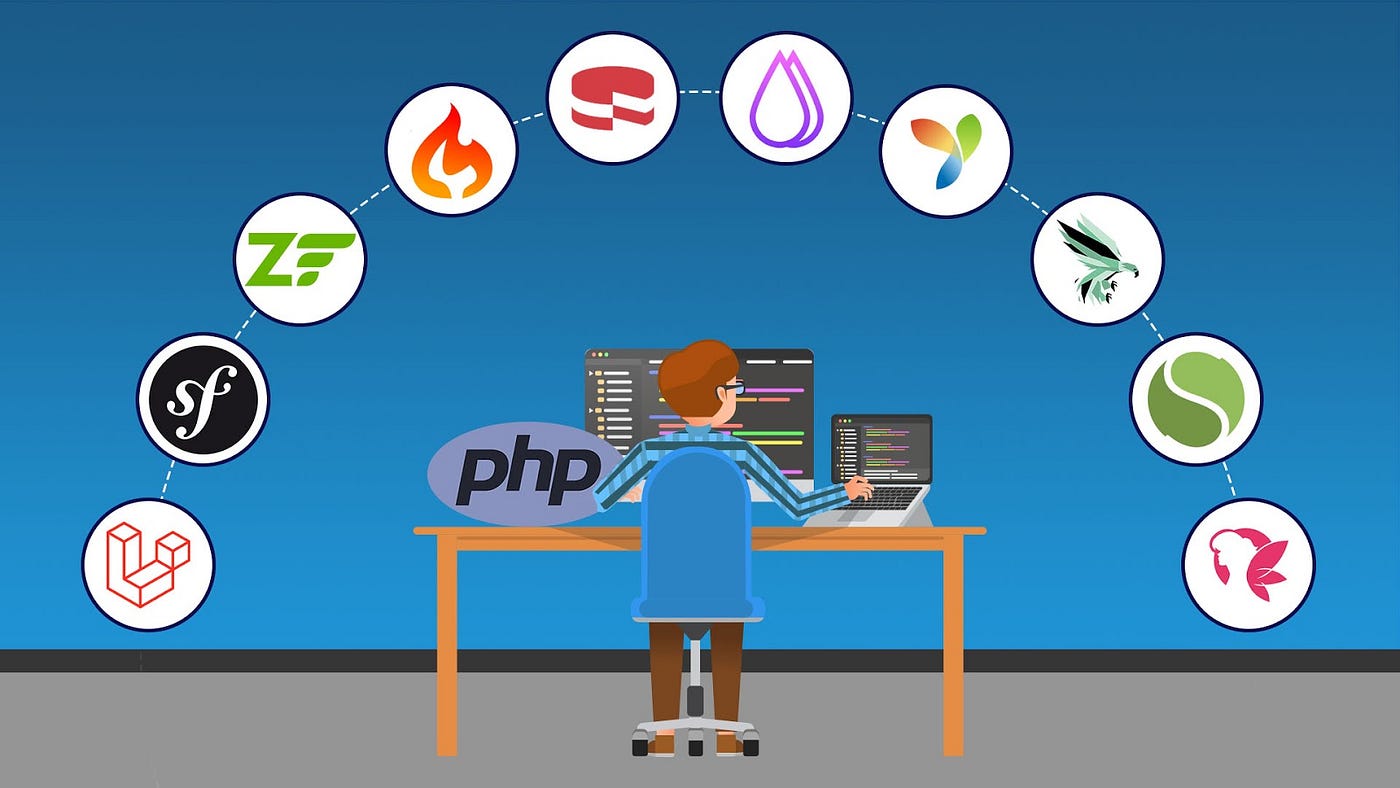
In the ever-evolving landscape of web development, PHP frameworks have emerged as indispensable tools that streamline and enhance the development process. These frameworks provide a structured foundation, simplify coding tasks, and promote efficient collaboration among developers. In this article, you will read about the PHP framework, and also if you want more information about the PHP framework so visit PHP Training in Nagpur. we delve into the significance of PHP frameworks in web development and explore how they contribute to creating robust, scalable, and feature-rich websites and applications.
Introduction: Unveiling the World of PHP Frameworks
PHP (Hypertext Preprocessor) has long been a stalwart in web development, powering a multitude of websites and applications. However, the introduction of PHP frameworks has revolutionized the way developers approach coding. A PHP framework provides a pre-built structure that promotes consistency, modularity, and maintainability. It offers a set of tools, libraries, and conventions that expedite development and allow developers to focus on creating unique features rather than reinventing the wheel.
Advantages of Using PHP Frameworks
Accelerated Development
PHP frameworks offer a head start by providing ready-made components and templates. This expedites the development process, reducing the time it takes to create robust applications. Developers can seamlessly integrate these components, cutting down on repetitive tasks and enabling rapid prototyping.
Code Organization and Reusability
Frameworks enforce the Model-View-Controller (MVC) architecture, facilitating the separation of concerns within the codebase. This modular approach enhances code organization, making it easier to manage and scale projects. Moreover, the reusability of components across different projects saves time and effort.
Security Enhancements
Security is a paramount concern in web development. PHP frameworks come equipped with built-in security features that guard against common vulnerabilities, such as SQL injection and cross-site scripting (XSS) attacks. This ensures that applications developed using frameworks are more resilient to malicious threats.
Built-in Features and Libraries
PHP frameworks come bundled with a plethora of features and libraries that extend the functionality of applications. These include authentication systems, form validation, routing, and database abstraction layers. By leveraging these built-in tools, developers can focus on implementing specific business logic rather than writing repetitive code.
Popular PHP Frameworks and Their Unique Features
Laravel: The Eloquent Champion
Laravel has gained immense popularity for its elegant syntax and powerful features. One standout feature is Eloquent, an ORM (Object-Relational Mapping) that simplifies database interactions. Laravel also boasts a vibrant ecosystem with a vast collection of packages and an active community.
Symfony: A Harmonious Symphony of Components
Symfony follows a “use what you need” philosophy, allowing developers to pick and choose components based on project requirements. Its reusable PHP components offer versatility and can be integrated seamlessly into different projects. Symfony’s emphasis on scalability makes it suitable for both small and large applications.
CodeIgniter: Lightweight Powerhouse
CodeIgniter is celebrated for its minimal footprint and exceptional performance. Despite its lightweight nature, it doesn’t compromise on features. It provides a simple and intuitive interface, making it an ideal choice for developers who prefer straightforward setups and fast development.
Yii: High-Performance Framework
Yii excels in performance and is designed to handle high-traffic applications. Its caching mechanisms, RESTful API support, and powerful scaffolding tools contribute to efficient development. Yii’s speed and reliability make it well-suited for projects that demand optimal performance.
Choosing the Right PHP Framework for Your Project
Selecting the appropriate PHP framework hinges on several factors. The scope and complexity of your project play a pivotal role in determining which framework aligns with your needs. Consider the learning curve, available documentation, and the strength of the framework’s community and support.
Best Practices for Utilizing PHP Frameworks
Following the MVC Architecture
Adhering to the MVC architecture promotes separation of concerns, making your codebase more maintainable and comprehensible. By keeping business logic, user interface, and data manipulation distinct, developers can work collaboratively and efficiently.
Efficient Database Management
PHP frameworks often provide tools for efficient database management, such as migrations and query builders. Leveraging these tools ensures consistency and integrity in your database structure and interactions.
Optimizing Performance
Performance optimization is crucial for delivering seamless user experiences. Utilize caching mechanisms, optimize database queries, and implement proper error handling to ensure your application runs smoothly and efficiently.
Regular Updates and Maintenance
Stay current with framework updates and security patches to protect your application from vulnerabilities. Regular maintenance guarantees your application remains secure and up to date with the latest features.
Future Trends in PHP Framework Development
As technology continues to evolve, PHP frameworks are poised to embrace innovative trends that shape the future of web development.
Integration of AI and Automation
AI-powered tools are becoming more prevalent in development workflows. Expect PHP frameworks to integrate AI-driven code suggestions, automated testing, and enhanced error detection to streamline the development process.
Progressive Web Application (PWA) Support
PWAs offer the advantages of both web and mobile applications, providing a seamless user experience across devices. PHP frameworks are likely to adopt PWA support, enabling developers to create responsive and engaging applications.
Real-time Collaborative Development
Collaboration among developers is set to become more interactive and real-time. PHP frameworks may incorporate features that facilitate concurrent coding, allowing multiple developers to work on the same project simultaneously.
Conclusion: Empowering Web Development with PHP Frameworks
PHP frameworks have transformed web development into a more efficient, structured, and secure process. By leveraging the advantages of PHP frameworks, developers can create sophisticated applications that meet modern demands. The right framework choice, combined with best practices and an eye toward future trends, ensures that web development remains dynamic and adaptive in an ever-changing digital landscape.
FAQs
- Q: What is a PHP framework?
A: A PHP framework is a pre-built structure that assists developers in creating web applications efficiently by providing tools, libraries, and conventions.
- Q: Why are PHP frameworks important?
A: PHP frameworks enhance development speed, promote code organization, improve security, and offer built-in features, leading to better-quality applications.