People deal with stress, emotional exhaustion, anxiety, pressure at work, or difficult personal situations every day. Even though physical health is often prioritized, emotional well-being is just as important. It can influence sleep, motivation, relationships, concentration, and overall balance. Many individuals try to manage emotional struggles alone, even when these difficulties start affecting their daily lives.
Today, mental health care includes more options and resources than in the past. Dedicated professionals, such as Dr. Valerica Ene-Stroescu, M.D., are helping patients understand that mental health care is no longer a one-size-fits-all solution. By combining compassionate emotional support with the latest medical advancements, modern psychiatry offers a much more personalized path to healing.
Emotional and mental support involve more than treatment alone. Many people also need patience, understanding, and a safe environment where they feel comfortable discussing personal experiences. Challenges can affect everyone differently, and that’s why today’s solutions focus on balance and individualized assistance.
Some people need more than traditional solutions
Traditional therapy and medication continue to help many individuals manage emotional and mental difficulties. At the same time, some may need different treatment approaches depending on their symptoms and experiences. Because of this, many clinics now include newer options such as ketamine therapy Seattle services alongside conventional psychiatric care.
Modern options may help by:
- Offering more personalized treatment plans
- Providing additional solutions when traditional methods are not enough
- Supporting people with different emotional needs
- Combining emotional care with newer therapies
- Creating more flexible approaches to mental health care
Advanced treatments are designed to provide more flexibility and to support people who may not respond well to standard approaches alone. Every individual experiences challenges differently. This is why treatment plans are often adapted from one patient to another.
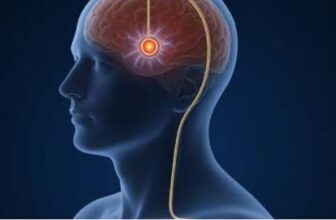
In some clinics, patients may also have access to services such as Transcranial Magnetic Stimulation Seattle treatments as part of a broader mental health support plan. These therapies are usually combined with therapy sessions and regular evaluations. This approach is meant to create a more complete care process.
The power of feeling heard and understood
No matter how advanced medical technology becomes, human connection remains the absolute foundation of mental health recovery. Having a safe space to express fears, sadness, or frustration without judgment is incredibly healing on its own.
When a person feels genuinely understood, their stress levels decrease, and their capacity to heal expands. A strong emotional support network acts as a safety net, helping people stay grounded while they explore different treatment options.
Here are the core benefits of regular care options and how they help a person move forward:
| Benefit | What it brings to daily life |
| Breaking isolation | Sharing burdens with others reminds individuals that they are not going through the darkness alone |
| Reducing stress | Simply talking through problems helps lower heart rates and reduces everyday emotional tension |
| Building resilience | A solid support system gives people the confidence to face difficult days and keep moving forward |
Long-term well-being often requires balance and consistency
Mental health support is usually not about finding one perfect solution overnight. In many situations, emotional well-being improves gradually through consistency, communication, healthy habits, and the right type of support. Some people may need short-term guidance, while others benefit from ongoing care adapted to their needs.
Today, many specialists focus on combining emotional guidance with different treatment options in order to create more balanced care plans. This may include therapy, psychiatric evaluations, lifestyle changes, modern treatments, and support from loved ones. When these elements work together, people may feel more stable and supported throughout the process.
A balanced system may help people:
- Feel more emotionally stable
- Better manage stress and daily challenges
- Maintain long-term progress
- Build healthier routines
- Feel more confident during difficult periods
Why the right help can make a real difference
Emotional and mental well-being can influence nearly every aspect of a person’s life, from relationships and daily routines to motivation and overall quality of life. Because every individual experiences challenges differently, support shouldn’t follow a single universal formula. Some people may benefit from traditional therapy and guidance, while others may need more flexible treatment options adapted to their situation.
Seeking help isn’t a sign of weakness, but an important step toward creating more balance and stability in everyday life. With the right combination of professional care and individualized guidance, many people can gradually feel more prepared to manage life’s challenges over time.