What makes e-waste so important?
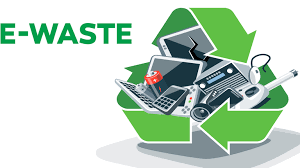
Although electronic waste is only a fraction of our total waste in the United States, two things make e-waste recycling important: precious metals and toxic materials. Ever wondered how we got electronics so small? A lot has to do with precious metals like copper, gold, platinum and all those exotic rare earths that most of us can’t find on a periodic table. All of these metals have different conductive properties that make them valuable to electronics manufacturers. However, they are also very scarce, making them difficult to find. In many cases, recovering those rare metals from a ton of old electronic devices is more productive than mining the metals.
Another problem with e-waste is hazardous substances. For example, some older TVs and computer monitors have a lot of lead in the glass of cathode ray tubes (CRTS). From a performance standpoint, that benefit is great because it kept us from getting hit by electrons shot out the back of the CRT and onto the screen. However, from a disposal point of view, all those discarded picture tubes carried a lot of lead to the landfill. Similar problems have arisen with lead solder used to hold things on a printed circuit board.
And those are just the most common hazardous substances. There is a list of specialty chemicals used in various computer and electronics parts. These chemicals are used for a variety of functions, such as a flame retardant. All of these chemicals, if not disposed of properly, can have serious health and environmental consequences.
The good news is that there is a growing market for e-waste recycling. The bad news is that it can be very confusing, unevenly regulated and full of problems. The big problem with electronics is that while the total amount of precious metals and hazardous materials combined in all our electronic waste is significant, the amount in a single electronic equipment is relatively small. As a result, recycling is often done abroad, where labor is cheaper and environmental regulations are less strict. Reportedly, between 50% and 80% of U.S. e-waste is exported in good faith, ensuring proper recycling. The problem is that once we lose sight and out of mind, we lose sight of how these materials are processed. Unfortunately, there have been some growing and very worrying problems. The Basel Action Network documentary “Exporting Harm”, released in 2002, illustrated the massive damage done by some e-waste programs in Asia. To recover the traces of precious metals contained in a piece of electronic waste, printed circuit boards are literally melted down the road, the recovered metals and the resulting toxic waste so that they can flow freely into the nearby ground or waterway. Subsequent investigations found similar problems in some operations in Africa and Latin America.
So what should people do about it?
The first step is to make sure you recycle your electronic waste (e-cycle).
There is a growing movement to certify electronics recycling programs. Programs such as E-stewards and R-2 offer certifications to ensure that electronic waste is recycled in household facilities with adequate pollution control. There is only one problem. Not all overseas e-waste recycling programs are horror stories. Some provide valuable economic development to the parts of the world that need it most. Certifications banning all exports eliminate both legitimate and problematic operations. An alternative is offered by a group called WR3A. They are trying to implement a standard, a kind of “fair trade coffee” that uses contractual language rather than regulation to ensure overseas exports are legitimate with adequate pollution control and social protections.
Another group, called EPEAT, is working on the purchase to make computers “greener” to begin with. Their standards help ensure that equipment manufacturers think about these things when making computers. EPEAT certifications help ensure that computers contain fewer hazardous components, that computers can be upgraded rather than replaced, and that they can be easily disassembled into components for more effective recycling.