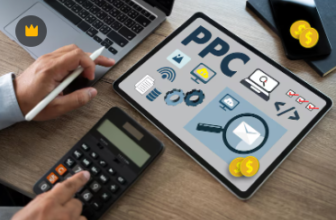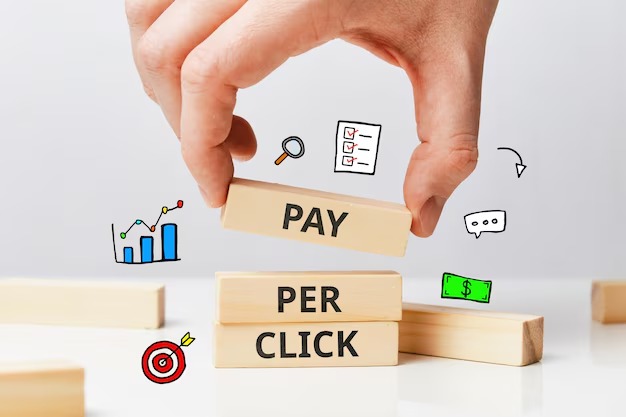
In the fast-evolving digital landscape, Pay-Per-Click (PPC) advertising remains one of the most effective strategies to drive targeted traffic and increase conversions. As 2026 unfolds, businesses must adapt to the latest trends, technologies, and user behaviors to ensure their PPC campaigns remain profitable. With the right approach, PPC campaigns can provide instant visibility, measurable ROI, and a competitive edge over rivals relying solely on organic marketing methods.
This article explores the best practices for PPC ads in 2026, providing actionable insights for marketers, advertisers, and business owners aiming to optimize their campaigns effectively.
Prioritize Audience Segmentation
One of the key best practices for PPC ads in 2026 is precise audience segmentation. Today’s users expect highly relevant ads that resonate with their specific needs and interests. By leveraging audience data, businesses can segment users based on demographics, online behavior, purchase history, or engagement patterns.
Advanced platforms now allow advertisers to create dynamic audiences that adjust in real-time. For example, targeting users who recently visited a website but did not complete a purchase can significantly increase conversion rates. Segmentation ensures that ad spend is directed toward users with the highest likelihood of engagement, enhancing overall campaign efficiency.
Optimize for Intent-Driven Keywords
Keyword strategy continues to play a pivotal role in PPC success. In 2026, intent-driven keywords—those reflecting a user’s readiness to buy or take action—will dominate successful campaigns. While generic keywords may generate traffic, they often lack conversion potential.
Businesses should focus on long-tail and transactional keywords that indicate high intent. This approach reduces wasted spend while increasing the likelihood of qualified leads. For instance, instead of targeting a broad term like “running shoes,” advertisers may focus on “buy lightweight running shoes online” to attract users closer to making a purchase decision.
Leverage Automation and AI Tools
The integration of Artificial Intelligence (AI) into PPC services is one of the most notable trends for 2026. Automation tools can optimize bids, adjust budgets in real-time, and identify high-performing ad placements with minimal manual intervention. AI-driven insights also enable marketers to predict user behavior and tailor campaigns to maximize ROI.
By combining AI with human oversight, businesses can balance efficiency with creativity, ensuring ads remain relevant, timely, and engaging. Companies looking to implement these advanced solutions can explore professional PPC Services to streamline campaign management and achieve measurable results.
Enhance Ad Copy and Visuals
In 2026, PPC ads will increasingly rely on compelling visuals and persuasive copy. Users are inundated with digital content, so standing out requires concise messaging, clear calls-to-action, and visually appealing creatives.
For text-based ads, emphasizing benefits, urgency, or exclusivity can improve click-through rates. Meanwhile, platforms such as Google Ads and social media channels allow for rich media formats, including video snippets, carousel ads, and interactive content. Combining well-crafted copy with engaging visuals ensures that ads not only attract attention but also drive meaningful engagement.
Optimize Landing Pages for Conversions
A common mistake in PPC campaigns is driving traffic to poorly optimized landing pages. Even high-performing ads cannot compensate for a landing page that lacks clarity, speed, or relevance.
Best practices in 2026 focus on creating landing pages that align with ad messaging, include strong calls-to-action, and load quickly across devices. Incorporating trust signals, such as customer reviews and security badges, also boosts user confidence and conversion rates. Businesses can enhance campaign performance further by integrating PPC with other marketing tools like CRM systems and email automation.
Monitor, Test, and Iterate
Continuous monitoring and optimization are fundamental to PPC success. Advertisers must regularly analyze metrics such as click-through rates, conversion rates, cost-per-click, and return on ad spend.
A/B testing of ad creatives, headlines, landing pages, and audience segments allows marketers to identify what resonates most with users. By iterating campaigns based on data-driven insights, businesses can refine targeting, messaging, and bidding strategies to achieve better results over time.
Invest in Structured PPC Packages
For businesses seeking a comprehensive approach, structured PPC Packages can provide tailored solutions. These packages often include keyword research, campaign setup, ad creation, bid management, and ongoing optimization, allowing businesses to focus on growth rather than technical management. By investing in a professional package, companies can leverage the expertise of specialists while ensuring their campaigns remain aligned with business objectives.
FAQs About PPC Ads in 2026
How much should businesses spend on PPC ads?
Budgeting for PPC depends on industry, competition, and campaign goals. Starting small and scaling based on performance is a prudent strategy.
Are PPC ads still effective compared to organic SEO?
Yes. PPC offers instant visibility and precise targeting, complementing SEO efforts for a balanced digital marketing strategy.
How often should PPC campaigns be reviewed?
Campaigns should be monitored continuously, with in-depth reviews weekly or monthly, depending on traffic volume and ad spend.
Can small businesses benefit from PPC services?
Absolutely. Even with limited budgets, well-optimized PPC campaigns can deliver targeted traffic and measurable ROI.
What is the role of AI in modern PPC campaigns?
AI helps automate bidding, identify high-performing ads, predict user behavior, and optimize campaigns efficiently, reducing manual workload.
Conclusion
As 2026 progresses, businesses that embrace modern PPC practices will remain ahead in the digital advertising landscape. From precise audience targeting and intent-driven keywords to AI-powered automation and visually compelling creatives, effective PPC campaigns require a combination of strategy, technology, and continuous optimization.
By following these best practices and leveraging professional PPC Services, marketers can maximize ROI, drive qualified traffic, and achieve their business goals with greater efficiency. Structured PPC Packages further simplify campaign management, ensuring that even businesses with limited in-house expertise can benefit from expert guidance and proven strategies.
In a world where digital advertising competition intensifies every year, staying updated with PPC best practices is not just recommended—it’s essential for sustained online success.