Lighting systems are crucial for creating the desired ambiance, functionality, and aesthetics in various spaces, including architectural settings that require facade lighting fixtures. There are four main types of lighting systems:
- Incandescent Lighting System: Incandescent lighting is the most traditional and commonly recognized type of lighting system. It relies on incandescent bulbs, which produce light by heating a filament until it emits visible light. While incandescent lighting offers warm and pleasing color rendering, it is relatively inefficient, consuming more energy and having a shorter lifespan compared to modern lighting technologies. As a result, it has become less common for facade lighting fixtures due to energy efficiency concerns.
- Fluorescent Lighting System: Fluorescent lighting systems are characterized by the use of fluorescent tubes or compact fluorescent lamps (CFLs). These systems are more energy-efficient than incandescent lighting and offer a longer lifespan. However, they can produce cool-toned light and may not be ideal for all facade lighting applications. Advanced fluorescent technology, such as T5 and T8 lamps, provides better color rendering and energy efficiency, making it suitable for some facade lighting installations.
- High-Intensity Discharge (HID) Lighting System: HID lighting systems include various types of lamps, such as metal halide, high-pressure sodium, and mercury vapor lamps. These systems are known for their high luminous efficiency, making them suitable for large-scale facade lighting projects where a high level of illumination is required. HID lamps are energy-efficient and have a relatively long lifespan. Metal halide lamps, in particular, are often used in facade lighting fixtures to achieve bright and vibrant lighting effects.
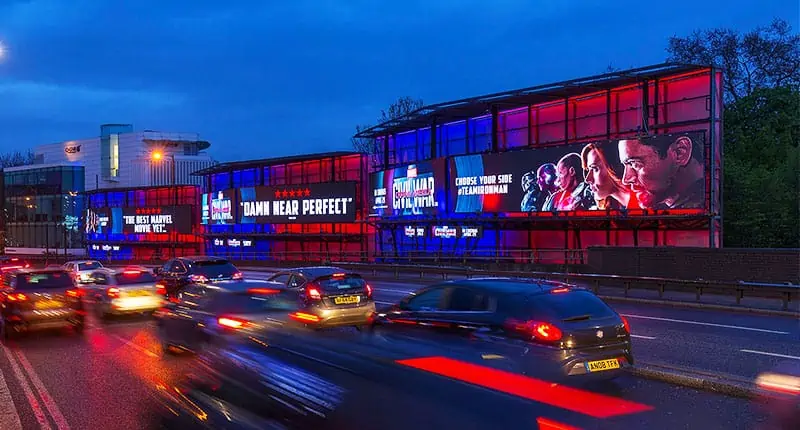
- Light Emitting Diode (LED) Lighting System: LED lighting systems have rapidly gained popularity in recent years for both interior and exterior lighting, including facade lighting fixtures. LEDs are energy-efficient, producing more light with less energy consumption compared to traditional lighting technologies. They offer a wide range of color options, excellent color rendering, and long lifespans. LED facade lighting is highly versatile, allowing for dynamic lighting effects, color changes, and precise control. Additionally, LEDs are well-suited for outdoor applications, as they perform reliably in various weather conditions, making them an excellent choice for facade lighting fixtures.
When considering facade lighting fixtures, it’s essential to assess the specific requirements of the project, including the desired lighting effect, energy efficiency goals, maintenance considerations, and budget constraints. While each lighting system has its advantages and disadvantages, LED lighting systems are increasingly favored for facade lighting due to their versatility, energy efficiency, and advanced control options, enabling designers to create captivating and energy-efficient lighting displays.