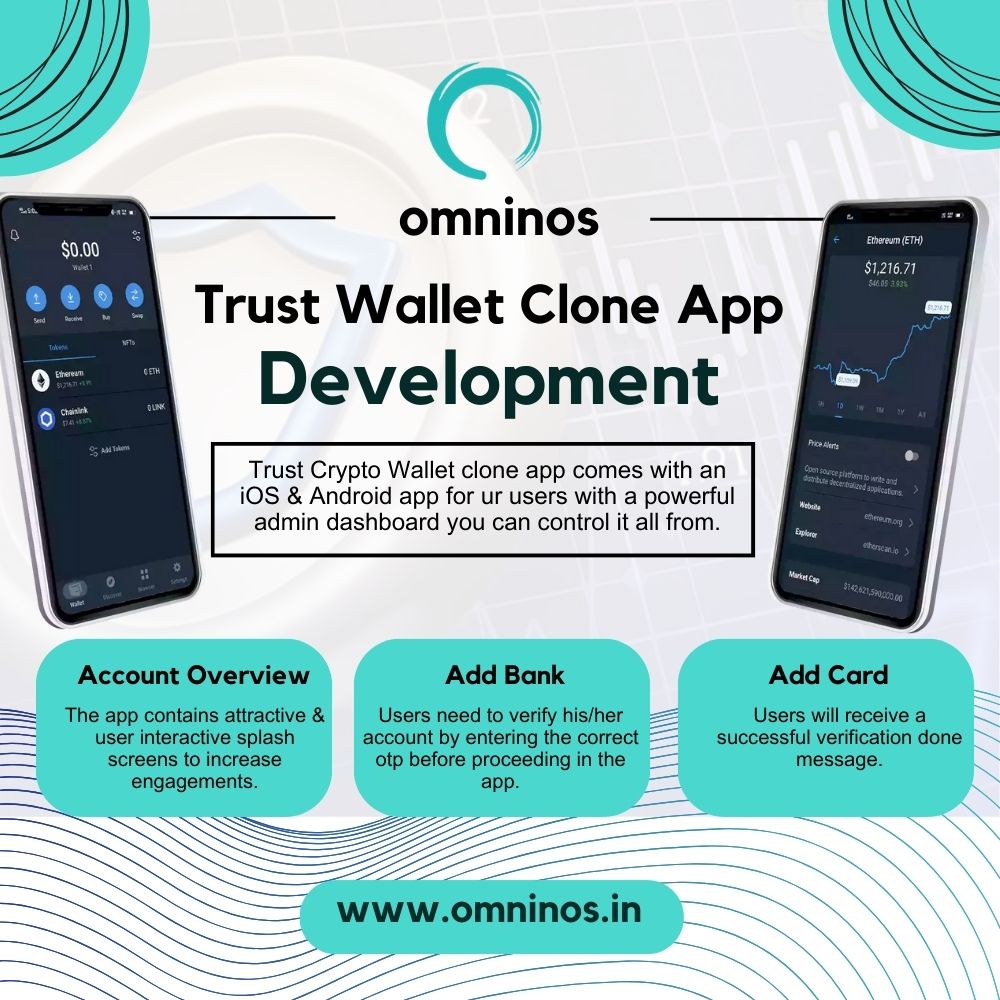
With the rise in popularity of cryptocurrencies, having a reliable and user-friendly crypto wallet has become essential. Trust Wallet has established itself as a leading platform that offers seamless management of digital assets. If you’re looking to create your own Trust Wallet Clone, you’ve come to the right place. In this comprehensive guide, we will walk you through everything you need to know about building a Trust Crypto Wallet clone.
What is a Trust Wallet Clone?
A Trust Wallet clone is a custom-developed cryptocurrency wallet application that replicates the features and functionalities of Trust Wallet. It allows you to build a personalized crypto wallet app that meets your specific requirements, while leveraging the core features and security measures offered by Trust Wallet.
Key Steps to Building a Trust Wallet Clone
Step 1: Define Your Requirements
Before you start building your Trust Wallet clone, it’s crucial to identify your specific goals and requirements. Determine the types of cryptocurrencies you want to support, the user experience you aim to provide, and any additional features you want to incorporate.
Step 2: Design the User Interface
The user interface (UI) plays a vital role in attracting and engaging users. Design an intuitive and user-friendly UI that is visually appealing and easy to navigate. Consider the branding and visual identity you want to reflect in your Trust Wallet clone.
Step 3: Backend Development
The backend development involves setting up the server, integrating APIs for blockchain networks, and implementing security measures. Choose a reliable and scalable architecture that can handle a large number of users and transactions.
Step 4: Features and Functionality
To create a Trust Wallet clone, you need to implement key features such as wallet creation, cryptocurrency transactions, portfolio management, multi-currency support, and secure backups. Consider additional features like push notifications, two-factor authentication, and decentralized exchange integration to enhance user experience.
Step 5: Security and Testing
Security is paramount when dealing with cryptocurrencies. Implement robust security measures such as encryption, secure key storage, and two-factor authentication. Conduct rigorous testing to identify and fix any potential vulnerabilities or bugs.
Step 6: Deployment and Launch
Once your Trust Wallet clone is developed and thoroughly tested, it’s time to deploy your app to the desired platforms. Choose between launching on Android, iOS, or both, depending on your target audience and market requirements. Ensure that you comply with any necessary app store guidelines and regulations.
Advantages of Building a Trust Wallet Clone
- Customization: Building your own Trust Wallet clone gives you the freedom to customize the app according to your branding and unique features, catering to your specific target audience.
- Security: By implementing top-notch security measures, you can ensure the safety of your users’ funds and protect them from potential threats.
- Flexibility and Scalability: A Trust Wallet clone allows you to scale your app as your user base grows and adapt to the ever-changing needs of the crypto market.
- Competitive Edge: Creating a Trust Wallet clone gives you the opportunity to enter the market with a feature-rich app, offering a seamless user experience and competing with established players.
Conclusion
Building a Trust Wallet clone offers immense potential to create a powerful and secure crypto wallet app that meets the demands of the cryptocurrency market. By following the steps mentioned in this guide and leveraging key features and security measures, you can build a trust-worthy and customizable Trust Wallet clone to empower users in managing their digital assets. Embrace the possibilities, venture into the world of cryptocurrency, and create your own crypto wallet app with a Trust Wallet clone.