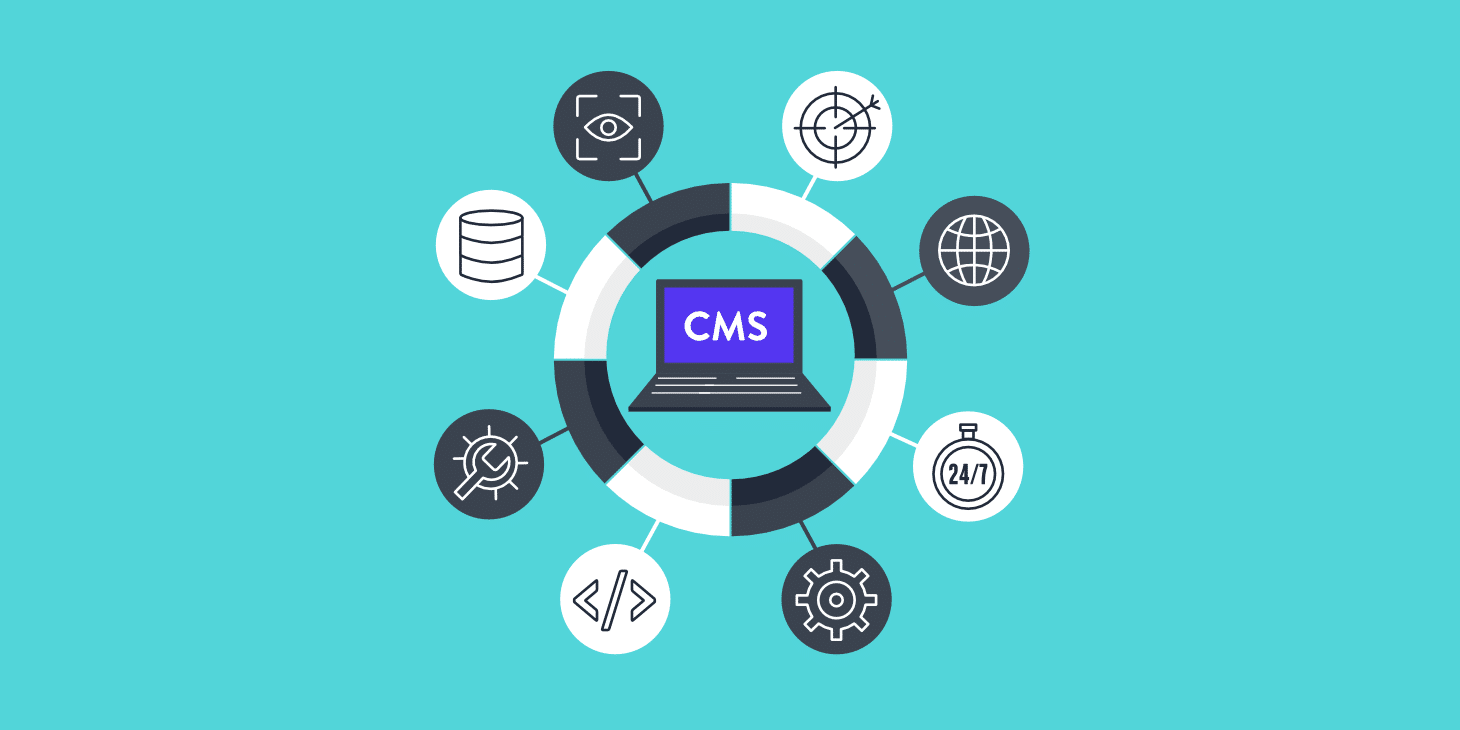
Content marketing, also known as inbound marketing, has become a standard part of the marketing strategy for many companies and organizations that want to engage their target audience and build brand awareness. A major tool in the content marketer’s arsenal is the Content Management System (CMS), which makes it easy to create and update blogs, articles, videos, and other types of content to be used as part of your content marketing strategy. Before you choose your CMS, though, you need to ask yourself some important questions.
Why is your website important?
If you’re looking for ways to produce relevant, helpful content and drive traffic to your website, you need a Content Management System (CMS). A CMS is an essential platform for managing all of your digital content. Without one, it can be incredibly time-consuming for busy small business owners who are pressed for time. Not only that but with so many options out there, it’s hard to know which CMS will best suit your business needs. You want something that is easy-to-use, secure, and affordable – with little maintenance required. We are going to talk about how important choosing your CMS correctly can be when considering what type of business owner you are in terms of when thinking about the right type of content management system for your company.
What are content management systems?
A content management system (CMS) is a type of software that website owners use to manage and publish their website’s content. Because different businesses have different needs, CMSes come in many shapes and sizes. Some CMSes are hosted by third parties, while others run on your own server; some include e-commerce functionality, while others are limited solely to posting new content or pages for visitors to view. Depending on what you need from your website, certain CMS systems may be better suited than others. Before settling on a system, take some time upfront to evaluate your business goals and needs so you can find one that’s just right for you.
1| Don’t Build Custom/in-House Content Management Software
Let’s build our own CMS! I can hear some of you thinking. And no doubt you have your reasons for wanting to go down that route, but there are two big reasons why building custom CMS is almost always a terrible idea: time and money. The first thing you need to do when choosing any CMS solution is to ask yourself how quickly you need it up and running—not just whether it will take four months or eight, but also whether those are four months you have available. We all know software development takes longer than initially anticipated—that goes with being an entrepreneur or engineer if not just getting older—so don’t stretch out that timeline by building something from scratch.
2| Avoid Heavy Developer Reliance
You might hear about content management systems that allow you to edit content through your web browser. The idea is that business owners won’t need any technical skills in order to manage their website, which can be very attractive. But choosing a system like this could set you up for disaster if your site ever has technical issues. Whenever possible, try to choose CMS systems that aren’t developer-reliant—the best way to do that is by reading user reviews before making your final decision. If users are constantly complaining about how hard it is for them to get tech support when they encounter problems, it may be time for you to look at other options.
3| Make Sure Your CMS Is Scalable
Before selecting a CMS, you should ask yourself one question: How fast do I need my website to be? If your site is growing every day, it’s important that your content management system can scale with you. What would happen if you added 300 new products overnight? If your website is built on an older CMS that isn’t used by many people, chances are its performance will suffer when thousands of new users flock to your site.
4| Choose a CMS That Supports Omnichannel
If you’re running an online-only business or selling on multiple channels, you need a CMS that can handle everything. After all, the content will be coming at your customers from everywhere—and you want it to look exactly how you want it to. For example, if someone reads an important marketing message in their Facebook News Feed, do they get frustrated when it looks different on your website? The same goes for customer service inquiries. A smart CMS makes it easy for customers to find what they’re looking for no matter where they are. If customer experiences are inconsistent across platforms, people won’t come back—or even worse, take their business elsewhere.
5| Don’t Limit Your System to One Code
WordPress is a versatile platform and developers have created tons of extensions and add-ons for it. However, when you choose your CMS, don’t limit yourself to just one code. If possible, go with one that will allow you to write in HTML so that you can adapt or add new plugins without relying on developers or designers. For example, with WordPress, you can use C# and PHP in your HTML files which means you can customize your website’s appearance with custom plugins and scripts in addition to choosing from thousands of free ones. This gives you more flexibility than platforms like Squarespace and Wix which only allow basic customization through their online tools.
6| Be Sure to Test and Get a Proof-of-Concept First
What seems like a good idea and might even seem like it will solve your content management problems isn’t always going to work out in practice. Rather than putting your company at risk, take the time up front and get a proof of concept for how your new CMS will work. If you don’t know where to start, there are plenty of companies (like HubSpot!) that can help make sure your new CMS is right for you—and won’t break when it comes time for implementation. Always get at least one proof-of-concept in place before you go all-in on a project! It could save you from wasting money or burning valuable resources that could be used more effectively elsewhere.
7| Support Is More Important Than Software
This sounds counterintuitive but bears with me. Before you even start thinking about your CMS choice, make sure you have strong support for it in place. You don’t want to spend your time tweaking code when you could be publishing content, running ads, and engaging social media. Hire someone who can do it for you or learn how to do it yourself if that’s an option. It’s worth noting that many of today’s big-name apps offer top-notch support teams—and some will even help you build custom features and train staff members on how to use them (see: Shopify). If customer service is lacking, find another solution; otherwise, your project will end up costing way more than expected and taking much longer than planned.
| Conclusion
Content is powerful. It can inform, persuade, inspire, and lead to action – but only if it’s done right. And choosing a content management system is one of those things that can make or break your content marketing efforts. After all, if you don’t have an effective system in place for tracking analytics or keeping on top of new trends and features, then what’s the point? Keep these questions in mind as you go through the process of selecting a CMS for your business – it could mean all of the differences. If you are looking for a content management system there are many content management companies that can help in developing the right content strategy for your business.