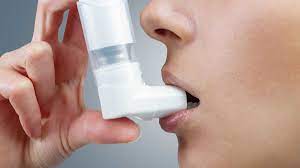
Inhalation spray-based drugs are medications that are delivered to the lungs via an inhaler or nebulizer. These drugs are commonly used to treat respiratory diseases such as asthma, chronic obstructive pulmonary disease (COPD), and cystic fibrosis. They are also used to treat other conditions such as allergic rhinitis and pulmonary arterial hypertension.
Inhalation sprays work by delivering a precise dose of medication directly to the lungs, where it is quickly absorbed into the bloodstream. This targeted delivery method allows for a lower dose of medication to be used, which reduces the risk of side effects and improves the efficacy of the medication.
There are two types of inhalation sprays: metered-dose inhalers (MDIs) and dry powder inhalers (DPIs). MDIs contain a pressurized canister that releases a measured dose of medication when activated. DPIs, on the other hand, contain a dry powder form of medication that is activated by the patient’s inhalation.
Inhalation sprays can deliver a variety of medications, including bronchodilators, corticosteroids, and combination drugs. Bronchodilators work by relaxing the muscles in the airways, which allows for easier breathing. Corticosteroids reduce inflammation in the airways, which helps to reduce the frequency and severity of asthma attacks. Combination drugs contain both a bronchodilator and a corticosteroid, providing both short-term relief and long-term control of asthma symptoms.
In addition to their effectiveness, inhalation sprays are also convenient and easy to use. They can be carried with the patient and used as needed, making them a popular choice for those with chronic respiratory conditions. However, it is important to use inhalation sprays correctly in order to achieve maximum benefit from the medication. Patients should be instructed on the proper technique for using their inhaler or nebulizer and should follow their healthcare provider’s instructions carefully.
In conclusion, inhalation spray-based drugs are an effective and convenient treatment option for respiratory diseases and other conditions. By delivering medication directly to the lungs, they provide targeted relief with fewer side effects. However, it is important for patients to use these medications correctly in order to achieve optimal results.