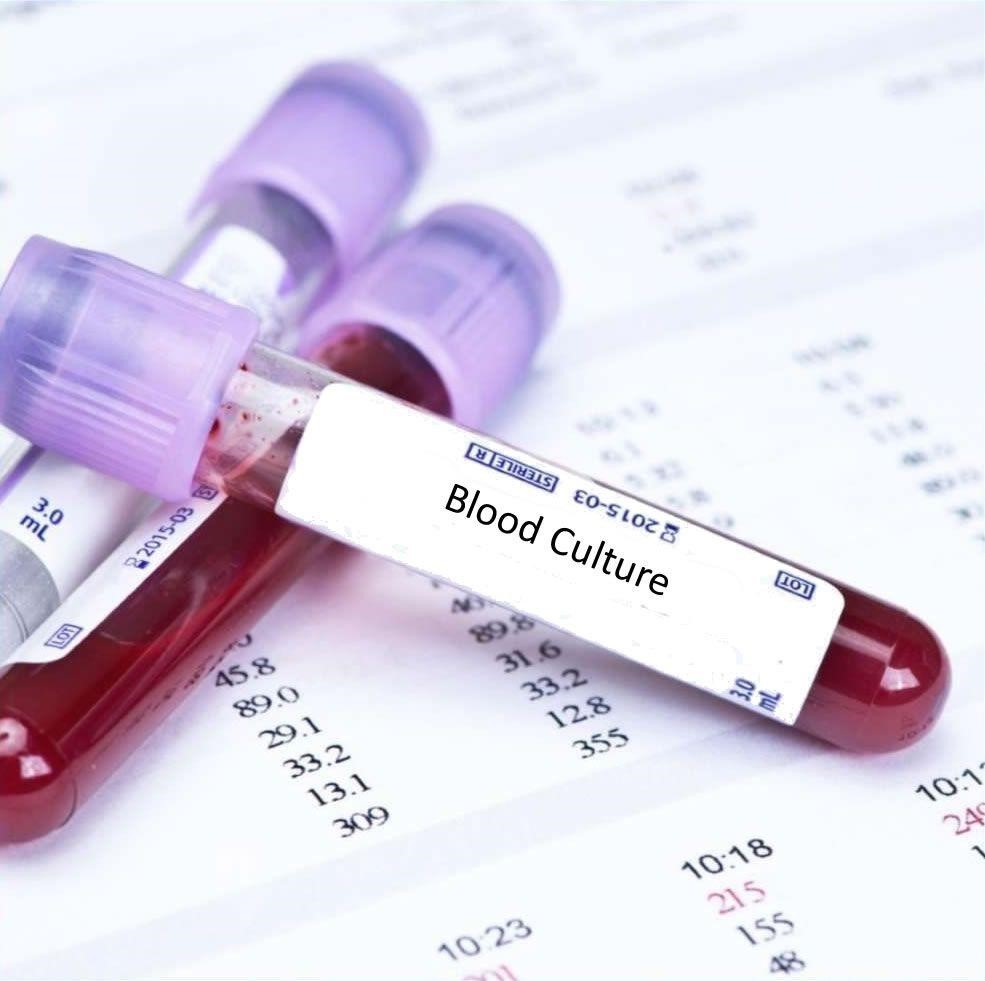
A blood culture test is a medical test that is performed to detect the presence of bacteria or other microorganisms in the bloodstream. The test is typically ordered when a patient is suspected of having a bacterial infection that has spread to the bloodstream, which is known as bacteremia or sepsis.
During a blood culture test, a small amount of blood is drawn from a patient’s vein and placed into a special container that contains a nutrient-rich substance that encourages the growth of bacteria and other microorganisms. The container is then incubated for a period of time, usually 24 to 48 hours, to allow any bacteria or other microorganisms that may be present in the blood to multiply.
If bacteria or other microorganisms are present in the blood, they will grow and multiply in the container, forming colonies that can be identified and analyzed by a laboratory technician or microbiologist. The technician will then determine the type of bacteria or microorganism that is present and which antibiotics may be effective in treating the infection.
Blood culture tests are an important diagnostic tool in the detection and treatment of bacterial infections, particularly those that have spread to the bloodstream. They can also be used to monitor the effectiveness of antibiotic treatment and to identify the presence of certain types of microorganisms, such as fungi or viruses, that may be causing an infection.
Blood culture tests are medical diagnostic tests that are used to detect the presence of bacteria or other microorganisms in a patient’s bloodstream. This test involves drawing a small amount of blood and placing it in a sterile culture bottle, which is then incubated in a laboratory to promote the growth of any bacteria or microorganisms present in the blood.
Once the microorganisms have grown, they are identified and tested for sensitivity to antibiotics to determine the appropriate treatment. Blood culture tests are essential in the diagnosis and treatment of many serious infections, such as sepsis and endocarditis, and can also be used to monitor the effectiveness of treatment.