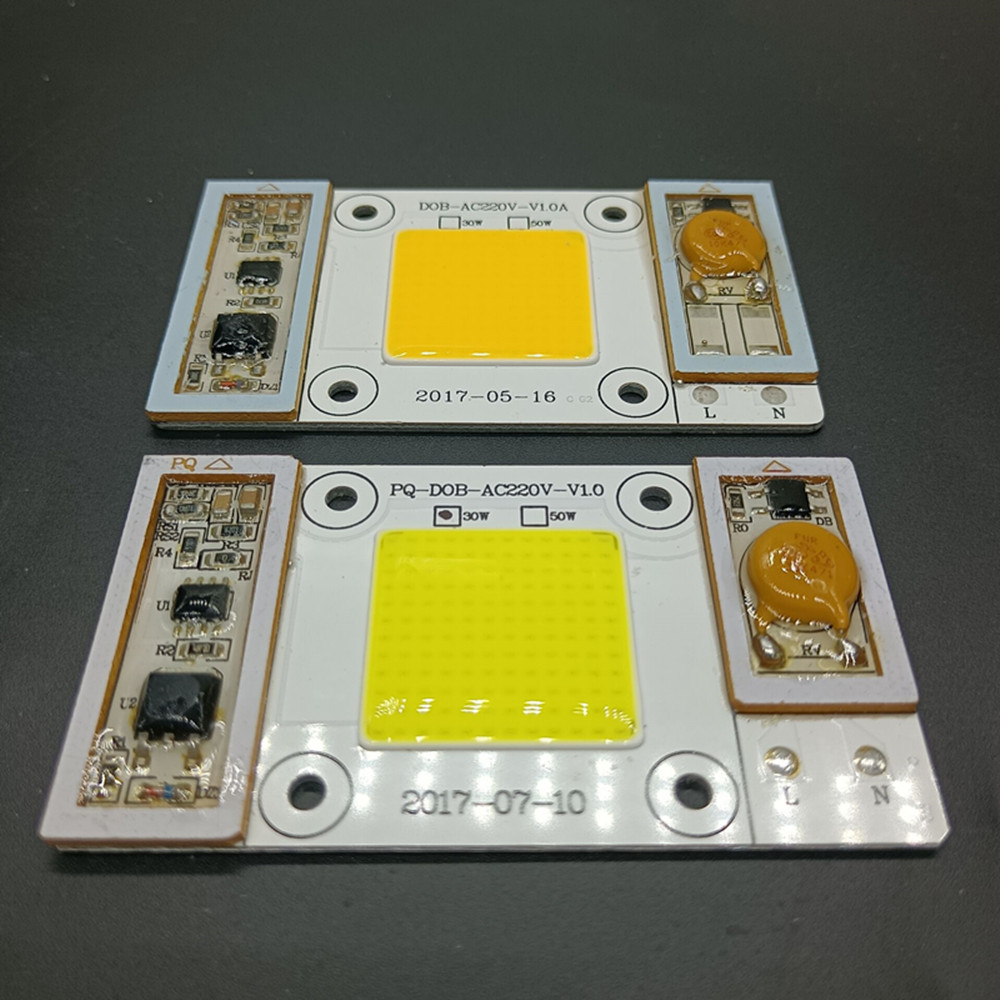
Chip on-board (COB) LED lighting is a highly efficient lighting technology that is rapidly gaining popularity in both residential and commercial settings. This technology involves mounting a group of LED chips directly onto a printed circuit board (PCB) and covering them with a phosphor layer to create a uniform light output. Unlike traditional lighting technologies that use incandescent or fluorescent bulbs, COB LED lighting offers a number of benefits, including increased energy efficiency, longer lifespan, and more precise control over the color and intensity of light.
One of the main advantages of COB LED lighting is its energy efficiency. LEDs use up to 80% less energy than traditional lighting technologies, which can significantly reduce electricity bills and greenhouse gas emissions. Additionally, COB LED lighting can be dimmed and controlled to match the lighting needs of a particular space, further reducing energy usage.
To maximize energy efficiency with COB LED lighting, it is important to consider a number of factors when designing and installing the lighting system. One key factor is the selection of the right LED driver. The LED driver is responsible for converting the incoming power to the appropriate voltage and current needed to operate the LEDs. Choosing an efficient LED driver can significantly reduce energy consumption and improve the lifespan of the LEDs.
Another important factor to consider is the thermal management of the LEDs. COB LEDs generate heat, and if the heat is not dissipated properly, it can cause the LEDs to fail prematurely. Therefore, proper thermal management is crucial for maximizing the lifespan and energy efficiency of COB LED lighting systems. This can be achieved through the use of heat sinks, thermal interface materials, and adequate ventilation.
Additionally, the design of the lighting system itself can impact energy efficiency. For example, using reflective materials behind the COB LEDs can increase the light output while reducing the number of LEDs required, thereby reducing energy consumption. Similarly, using high-transmittance lenses or diffusers can help distribute the light evenly and reduce the need for additional fixtures.
In summary, maximizing energy efficiency with COB LED lighting involves careful consideration of several factors, including the selection of an efficient LED driver, proper thermal management, and thoughtful design of the lighting system. By taking these steps, it is possible to achieve significant energy savings and reduce the environmental impact of lighting.