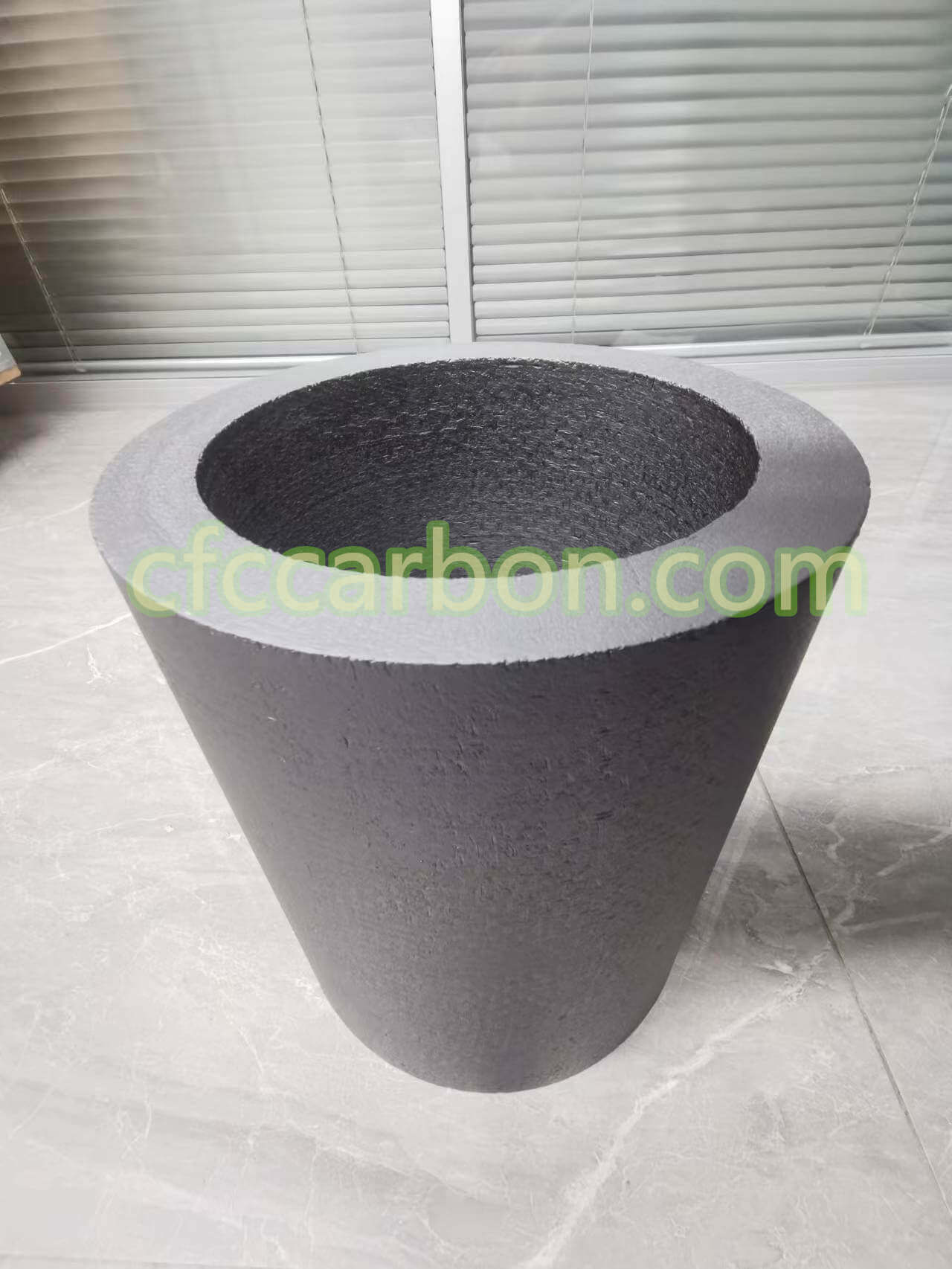
Ceramic Matrix Composites (CMCs) are a class of materials that consist of a ceramic matrix and a reinforcing material, typically fibers. The combination of these materials results in a material that has superior properties compared to
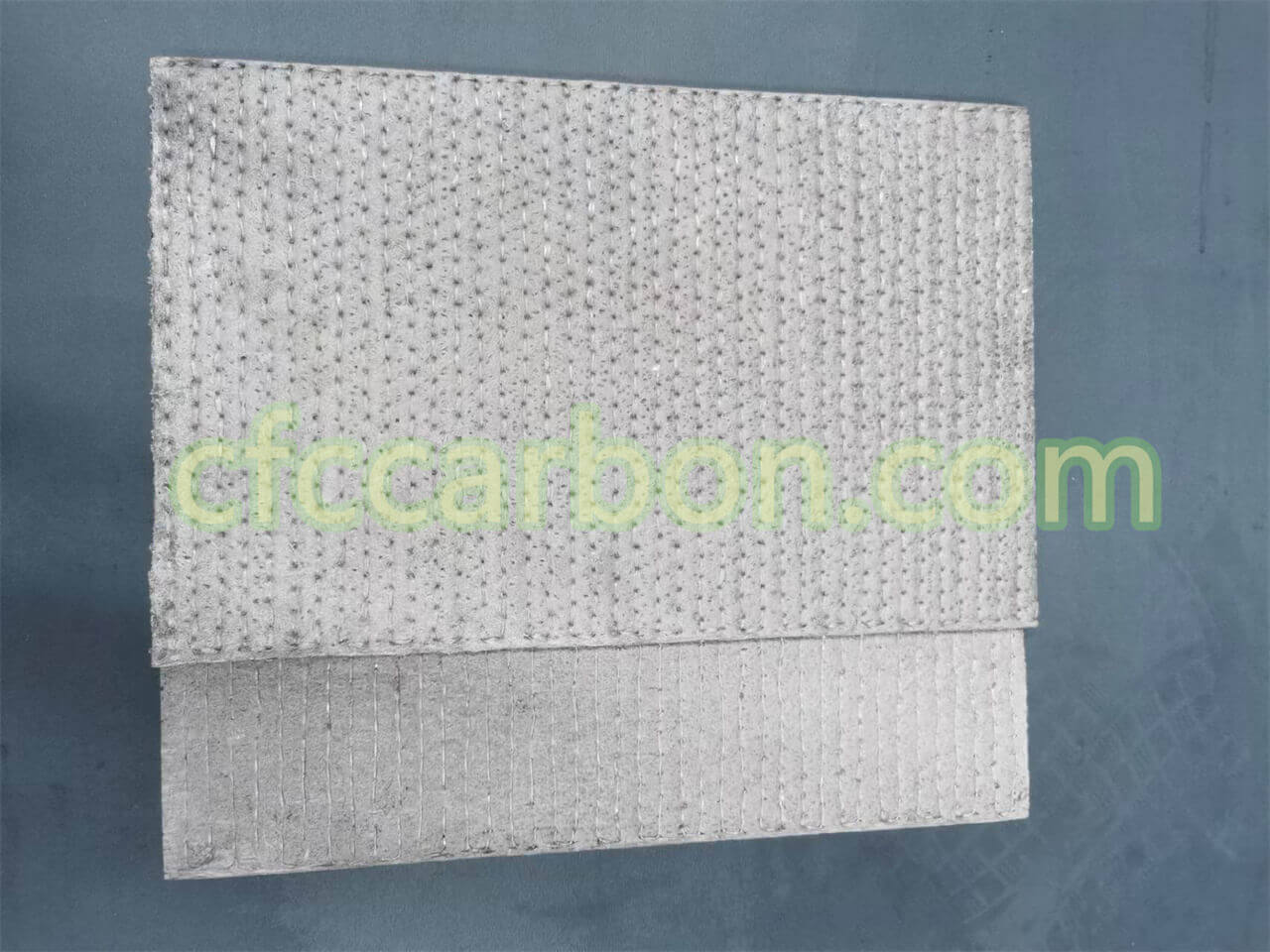
SiC coating carbon fiber composite material-CC-CFC (1)
traditional ceramics, including higher strength, toughness, and resistance to high temperatures.
Product Introduction CMCs are produced through a variety of methods, including chemical vapor infiltration (CVI), reactive melt infiltration (RMI), and polymer impregnation and pyrolysis (PIP). These techniques involve impregnating the ceramic matrix with the reinforcing material, which is typically made of ceramic fibers such as silicon carbide (SiC) or carbon.
Classification CMCs can be classified based on the type of ceramic matrix and reinforcing material used. Some of the most common ceramic matrices used include oxide ceramics such as alumina (Al2O3) and zirconia (ZrO2), as well as non-oxide ceramics such as silicon carbide (SiC) and silicon nitride (Si3N4). The reinforcing material can also vary, with some common materials including carbon, SiC, and alumina fibers.
Different Properties One of the key advantages of CMCs is their high strength and toughness. This is due to the reinforcing fibers, which provide added strength and prevent cracks from propagating through the material. CMCs also have excellent thermal and chemical stability, making them ideal for use in high-temperature environments and harsh chemical conditions.
Another advantage of CMCs is their low density, which allows them to be used in lightweight applications. They also have a high stiffness-to-weight ratio, making them ideal for use in aerospace and automotive applications where weight reduction is critical.
Applications CMCs have a wide range of applications due to their unique properties. One of the most common uses is in aerospace applications, where they are used for components such as engine parts, turbine blades, and heat shields. They are also used in the automotive industry for parts such as brake rotors, exhaust systems, and engine components.
Other applications for CMCs include chemical processing equipment, nuclear reactors, and cutting tools. In the medical industry, CMCs are used for implants and prosthetics due to their biocompatibility and resistance to wear.
Conclusion In summary, Ceramic Matrix Composites (CMCs) are a class of materials that offer superior properties compared to traditional ceramics, including high strength, toughness, and resistance to high temperatures. CMCs are produced through a variety of methods and can be classified based on the type of ceramic matrix and reinforcing material used. They have a wide range of applications, including aerospace, automotive, and medical applications, among others.