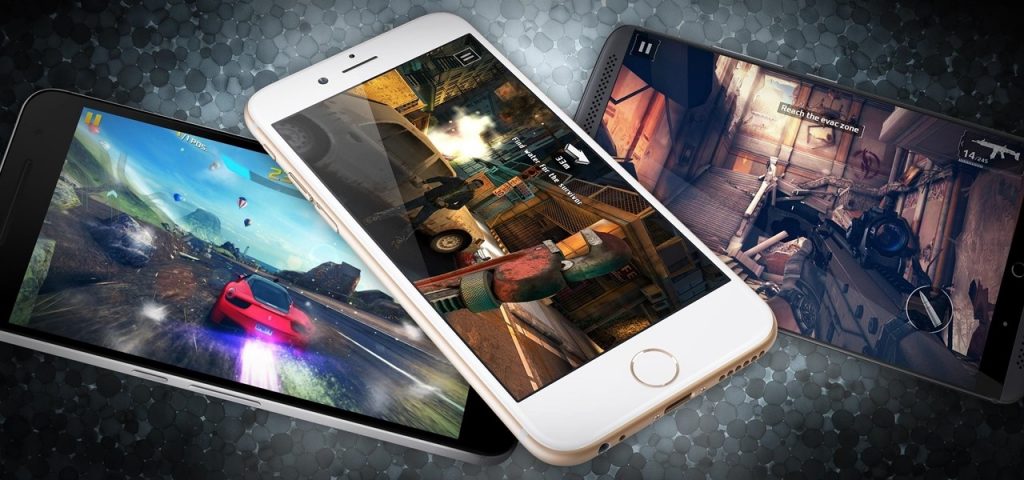
Still, mobile gaming isn’t as good as gaming on consoles or PCs, but it’s come a long way since Snake. When you think about how small the system has to be to fit in people’s pockets, the graphics on modern games that run on smartphones are even more impressive.
Anyone who wants to buy a new phone has a lot of options, but gamers have very specific needs, and not just any phone will do. We went out and tested the best smartphones on the market, so you don’t have to worry about wasting your money. Out of the eight devices we tested, we chose the top three, which you can see below. We were looking for devices with the best performance and the fewest drawbacks.
How We Picked & Scored Each Phone
We put a lot of phones through a series of tests to figure out which ones would be on this list. We looked at the graphics and computing performance, the screen, the battery life, how hot the device got, how sensitive and resistant the touchscreen was, the quality of the speakers and where they were placed, and more.
We used the 3DMark gaming benchmark tool, which measures how well a device’s graphics work, to get the hard numbers. 3DMark is a cross-platform tool that tests the performance of mobile devices’ graphics processing units (GPUs) and central processing units (CPUs). This gave us a way to compare the hardware and software of these devices in a fair way. Most modern top-of-the-line phones will get a score between 2,000 and 2,700. As you’ll see below, this range is pretty much the same for all of the devices on this page.
Of course, numbers alone won’t tell you if a phone will be good to use in the real world, so we played games on these devices to put them through some real-world stress. We used the popular first-person shooter Modern Combat 5: Blackout (MC5:B), which is available on both Android and iOS, to test both single-player and online gameplay in our hands-on tests.
Every device had a full charge and was connected to the best open Wi-Fi signal we could find. We played MC5:B for 30 minutes, 20 minutes by ourselves and 10 minutes with other people online. We started with the tutorial and tried to make the same choices and do the same things each time. This let us see how the phones worked in real life and get an idea of what kinds of problems could happen during long gaming sessions.
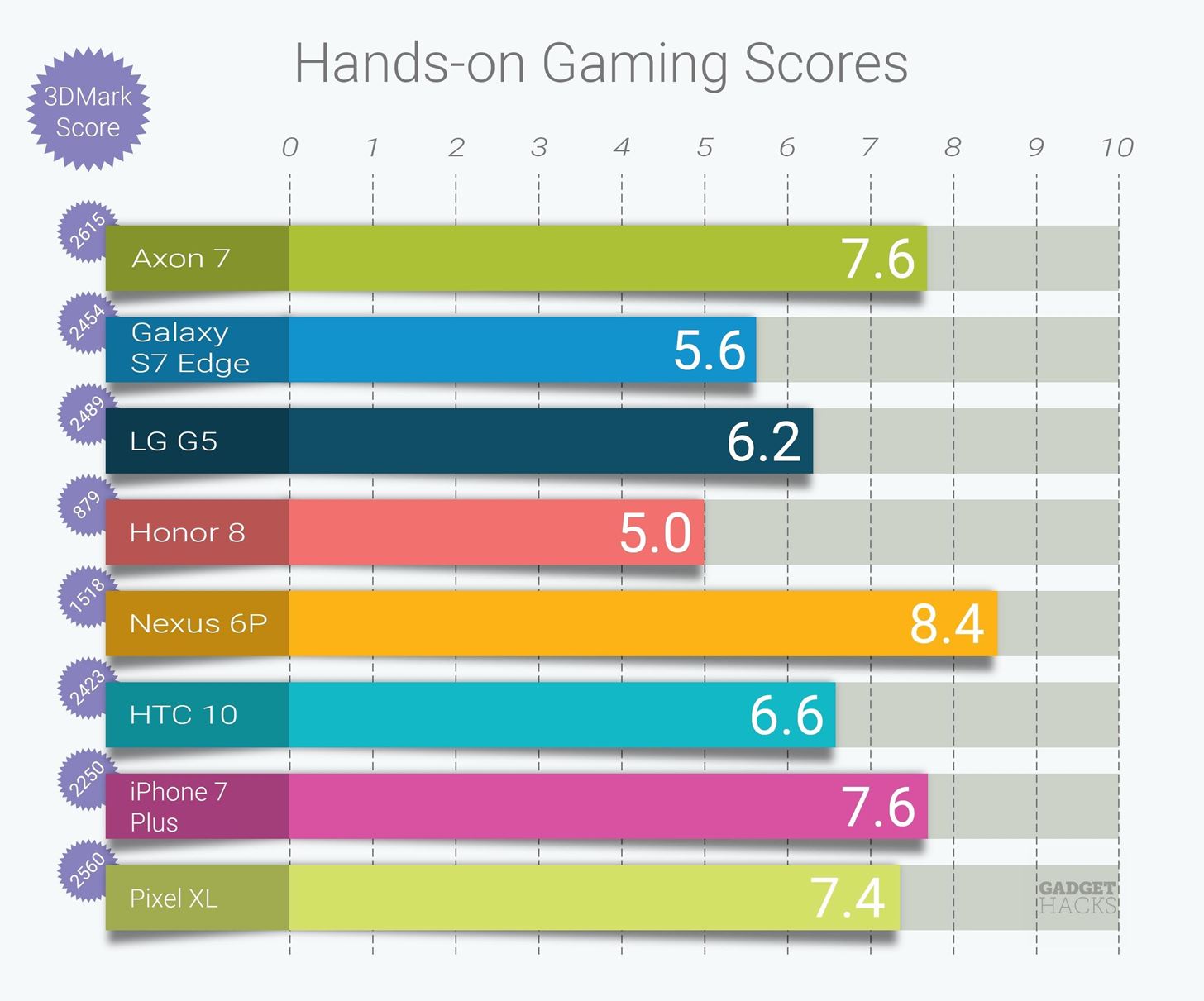
With 10 questions scored in 5 different categories, we turned each device’s total score into a percentage and then into a value of x/10, which you can see in the rankings. Keep in mind that even if a device’s final hands-on score is the same, it could be for different reasons. In the tables below, you can see both the 3DMark scores and our hands-on scores for each device.
Here are our top picks for the best phones for gamers, from best to worst:
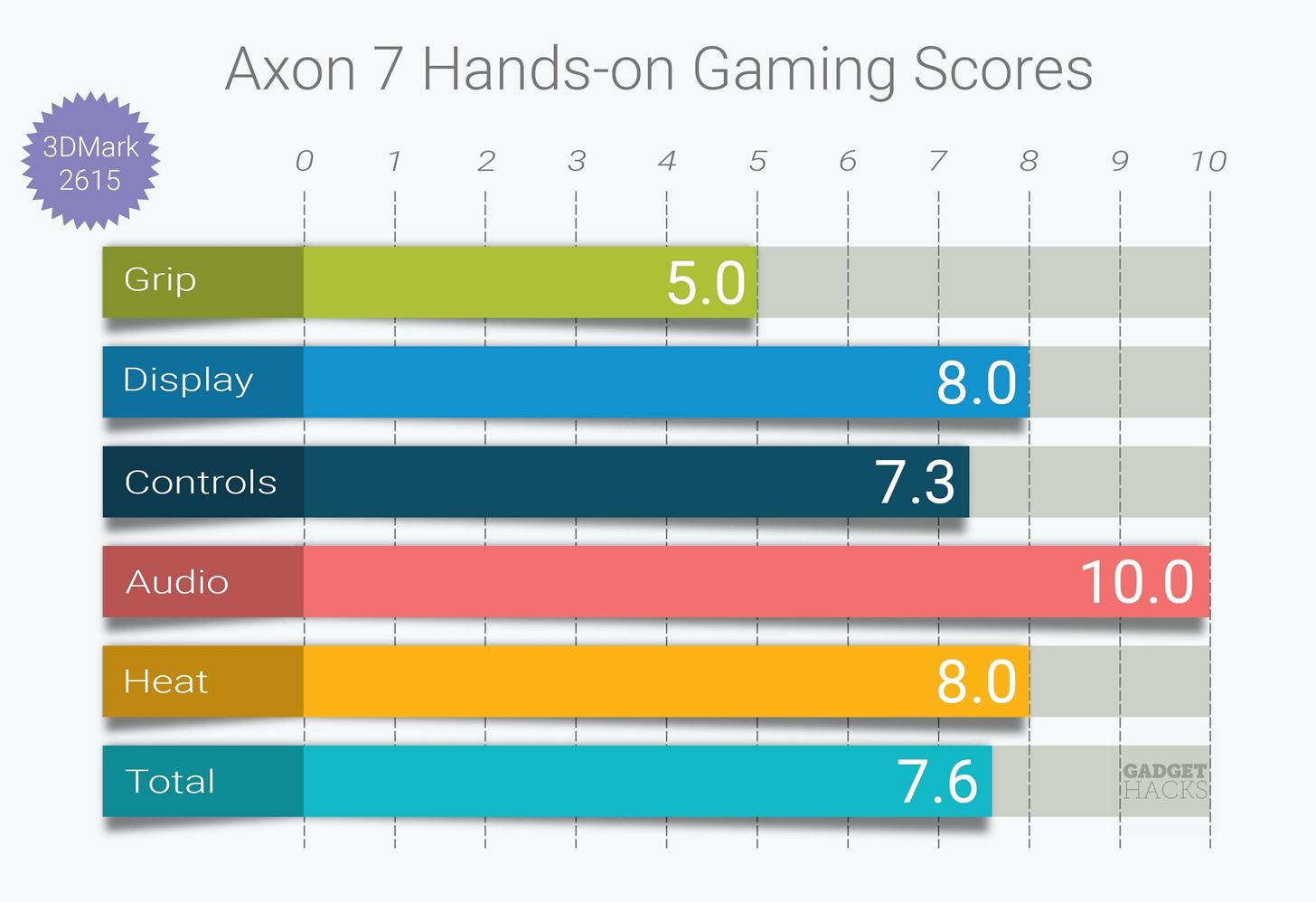
#1. ZTE Axon 7 — Scores: 2,615 (3DMark) + 7.6/10 (Hands-On)
With these 3DMark and real-world scores, it’s clear that the ZTE Axon 7 is the winner. The Snapdragon 820 processor, 4 GB RAM, and Adreno 530 GPU put this phone in a league above its $400 price point. The solid aluminium body and high-quality 1,440 x 2,560 (538 PPI) Samsung AMOLED display also put this phone in a league above its $400 price point.
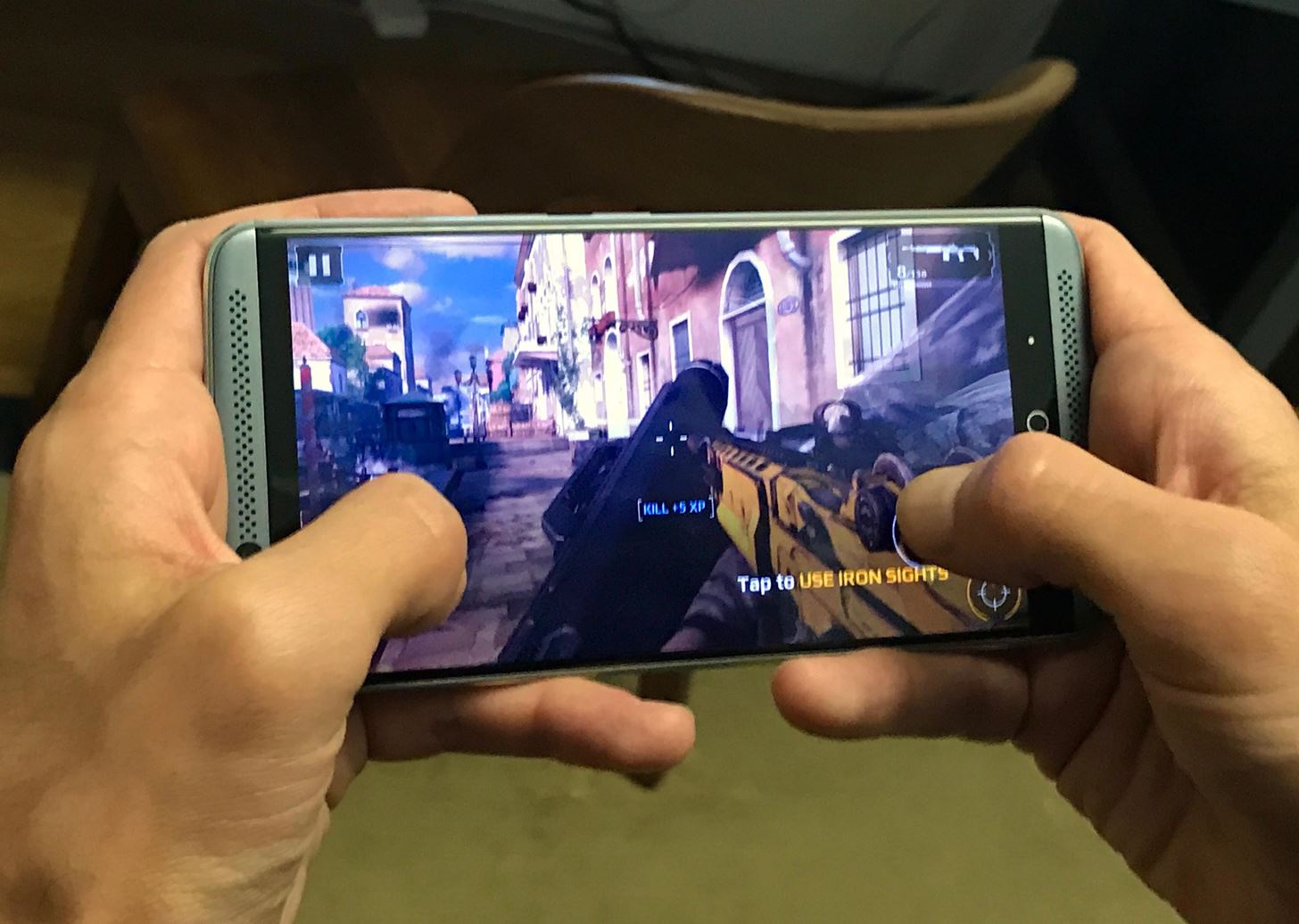
Gamers and video fans will love the front-facing stereo speakers and Dolby Atmos sound. Without a doubt, these are the best speakers I’ve ever heard on a smartphone.
As for input, the default touchscreen controls were steady and responsive, but they felt a bit slow. The controls can be changed, but we used the default settings for our tests.
The Axon 7 is the best all-around phone for gaming out of all the ones we tested, as long as you can deal with one really stupid design flaw:
On most modern Android phones, the three buttons used to move between apps and the home screen are virtual. They pop up when you need them and stay out of the way otherwise. For some reason, ZTE decided to go against the grain and put static capacitive navigation buttons on the chin of the device.

The Axon 7 would be the perfect gamer’s phone if not for these completely unnecessary buttons. They’re an ugly blemish on an otherwise beautiful display; they’re too close together, making a reasonably sized device hard to use; and they’re not backlit, which is very annoying in the dark. All of this could be overlooked if there was a way to turn them off. There isn’t. In a truly bizarre move, ZTE’s only solution for these buttons is
Still, once you know where the buttons are, it’s easy to change your grip to avoid them, and everything else about playing games on this phone was fun.
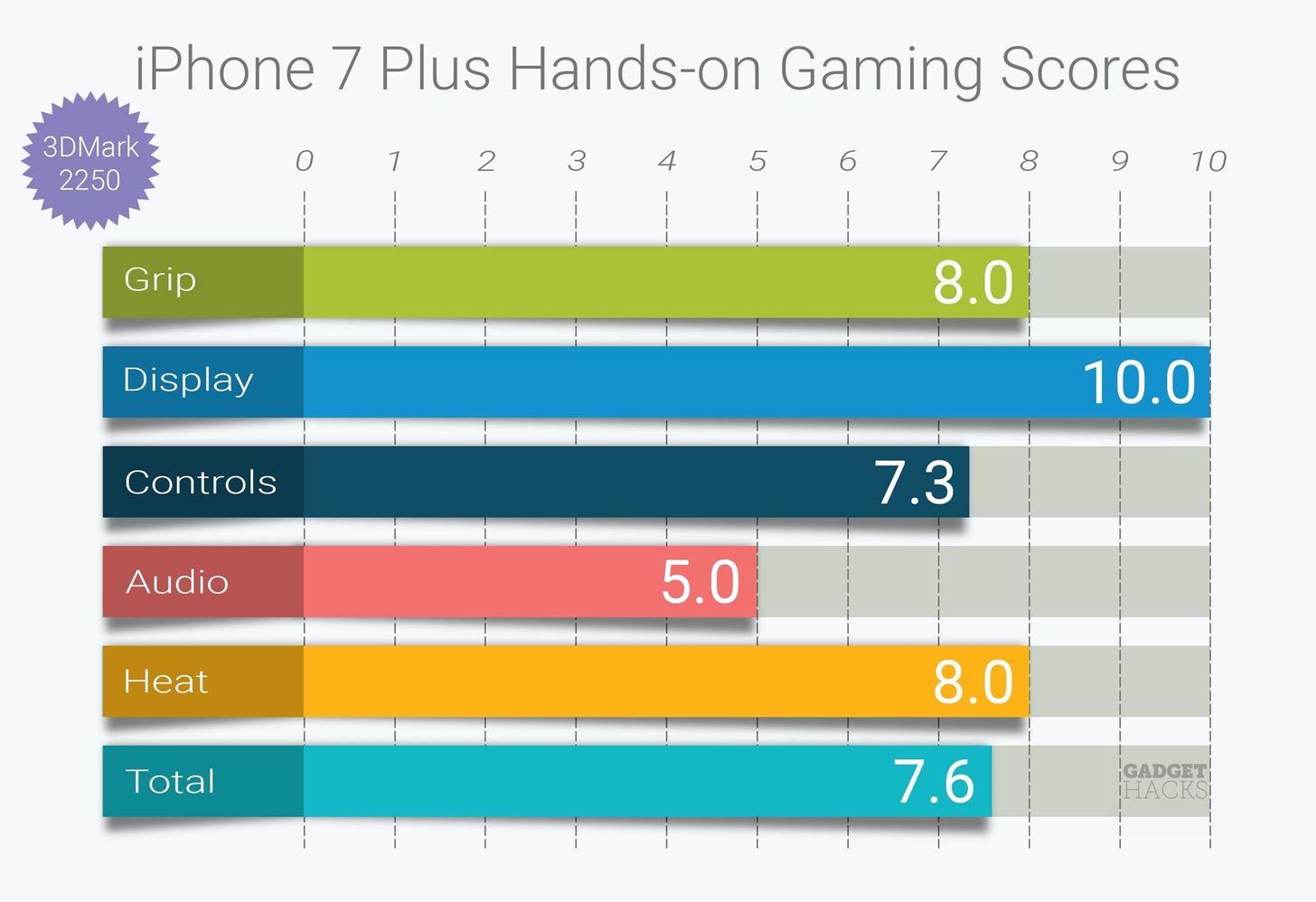
#2. Apple iPhone 7 Plus — Scores: 2,250 (3DMark) + 7.6/10 (Hands-On)
As I said in the intro, benchmark scores aren’t the best way to tell if a device is good for gaming. The iPhone 7 Plus may have gotten a lower score from 3DMark than the Axon 7, but in our hands-on test, it scored higher in the graphics department because of the bright colours and smooth animation.
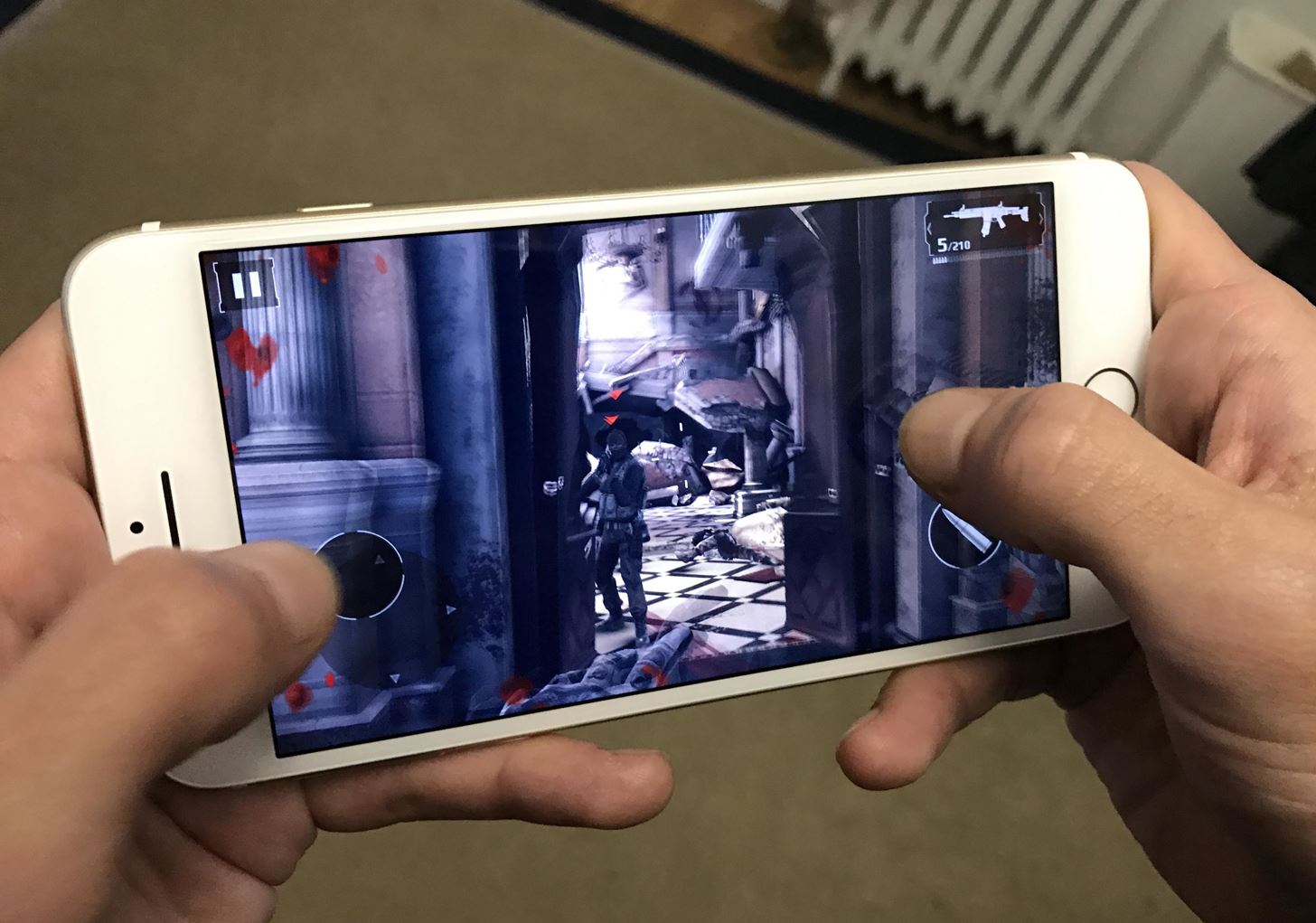
The iPhone 7 Plus will look great with your games. They will run smoothly and take up a lot of screen space. There’s no doubt that the 7 Plus is a great phone in every way, but when it comes to gaming, two problems put it in second place.
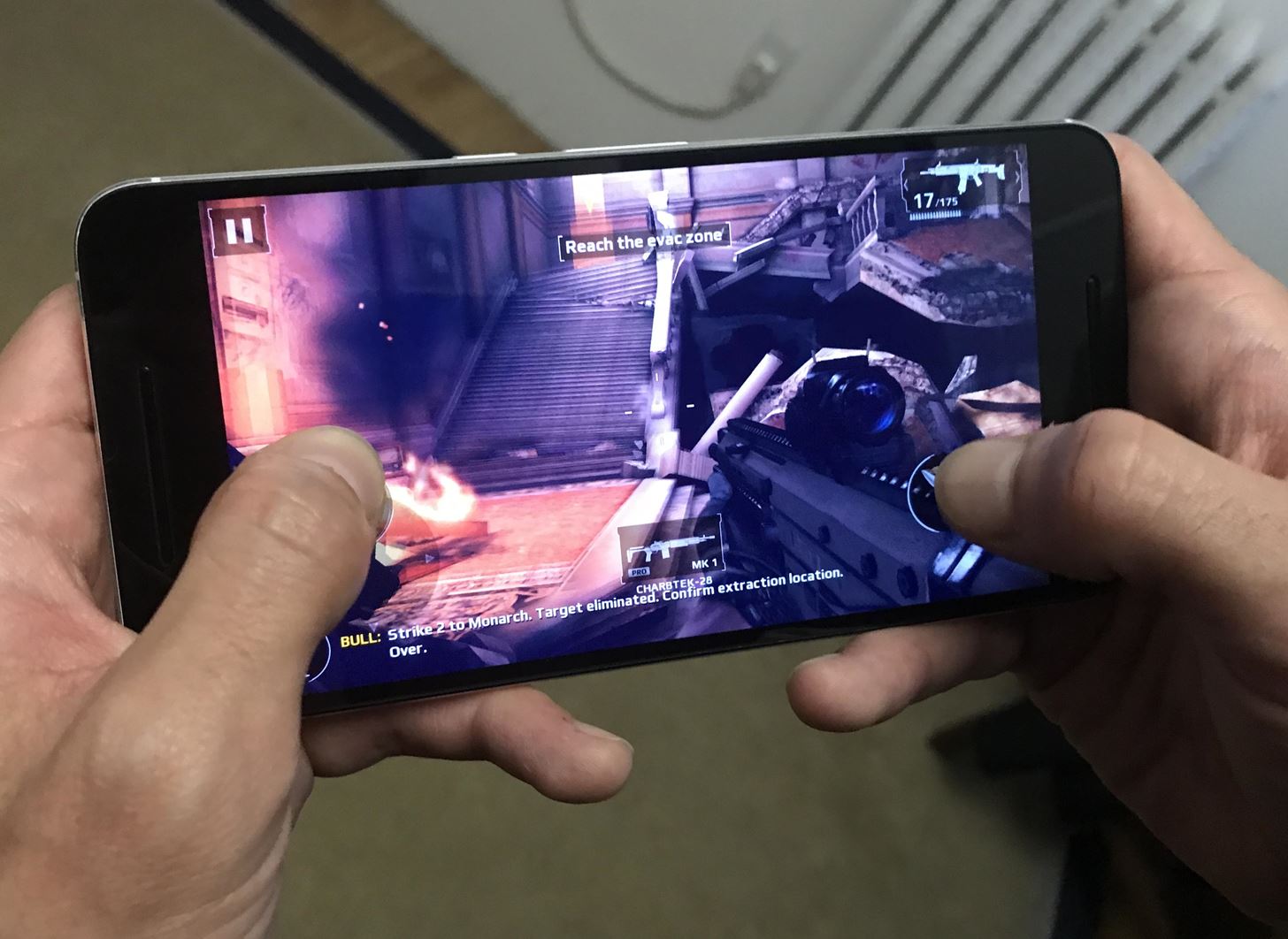
First, we had almost no control over MC5: B because the touchscreen was too sensitive. It often didn’t know where our thumbs were at all. In a first-person shooter, this caused random shots to be fired in almost every direction except at the targets:
The second issue was not as bad. Even though the iPhone 7 Plus has two speakers, only the top one faces forward. That’s not a big deal for videos or music, but for games, it means that either your palm will block the sound or you’d have to put your hand in such an awkward position that playing for long periods of time would hurt.

But in terms of graphics, the iPhone 7 Plus was the best. Really. The animation was smooth and the scenes were clear. So, if you don’t mind playing with headphones and make sure to adjust the sensitivity of the controls, the 7 Plus will work well for you.
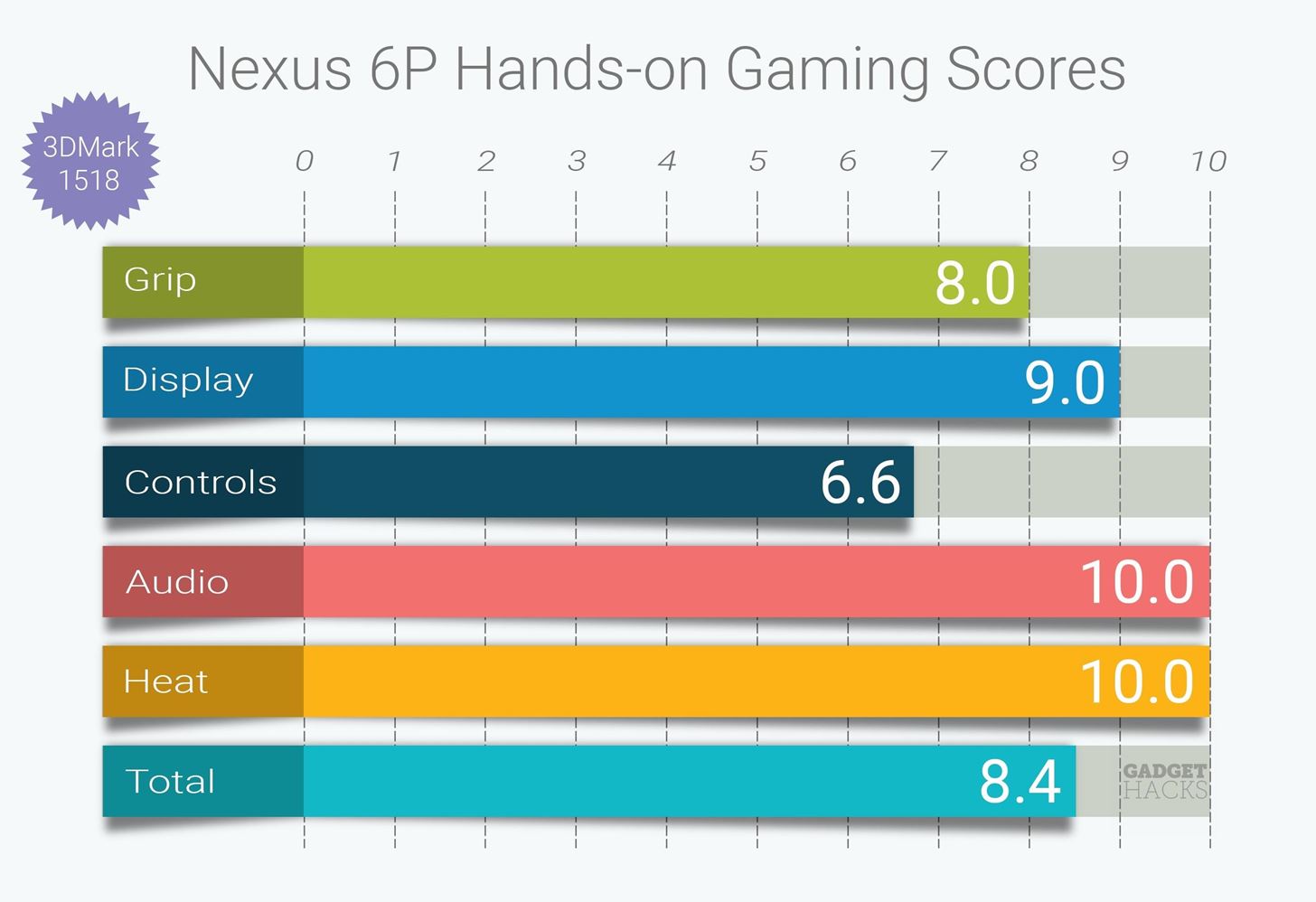
#3. Google Nexus 6P — Scores: 1,518 (3DMark) + 8.4/10 (Hands-On)
It came out in 2015, so yes. Yes, it uses the infamous Qualcomm Snapdragon 810, which was criticised when it came out for getting too hot (it felt fine to us). But this Google/Huawei phone, which is the last member of the Nexus family, is still a good one.
Even though it has a lower 3DMark score than the other phones on this list and most modern flagships, the Nexus 6P scored 8.4/10 in our hands-on tests and came in first place. For mobile gamers, it would be hard to find a better device than the Nexus 6P.
The biggest problems we had with it were how sensitive the touchscreen was and how little resistance it had. These problems can be fixed in the settings, but we found that it wasn’t hard to get used to after just a few minutes of playing.
It measures 5.7 “The games we tested looked and sounded great on the Nexus 6P, which has an AMOLED display (1,440 x 2,560, 518 PPI) and front-facing stereo speakers. Graphics-wise, it didn’t perform as well as some of the other devices, but it didn’t stink, and the pros far outweighed the few cons in graphics.
The Other Devices Tested
Mobile gaming performance is hard to judge because there are so many different things that go into making a good user experience. We put eight very good phones through their paces. We chose these phones based on their hardware specs and reviews from around the web. In the end, not every phone can be a winner, and just because a phone isn’t on this list doesn’t mean it’s not a great device. It just means that during our tests, we found some problems that made us think it wasn’t the best phone for gaming.
Surprisingly, many device makers still don’t seem to put gaming at the top of their list. Most of the phones we tested were quickly thrown out because their designs had flaws that made them too hard to use. For example, the Samsung Galaxy S7 Edge didn’t make our list because the single speaker was put in the worst place for holding a device with two hands in landscape mode. If you like playing Word Wipe game with headphones on, you might find that the S7 Edge works well for you. But so that our tests were fair for all devices and all possible users, we tested each one with its default settings and without any extra hardware (including headphones).
We used a first-person shooter to make our hands-on scores, but we found that the scores don’t change much for other kinds of games. There are still other things to think about, though, so what do you look for in a smartphone for gaming? Do you want the best specs or something that fits your way of playing games? Leave a comment with your thoughts.